
Chimney liner installation for homes in Dixie Belle
A liner sized to your appliance and proven through your flue before ordering. Free inspection from our local family-owned team in Dixie Belle.
- Licensed & insured
- Locally run
- Family owned and operated
- Same-day service available



Line by line, your liner proposal in Dixie Belle
Every line below is confirmed at the flue of your Dixie Belle home before a liner is ordered.
- The reason for relining, stated in writing
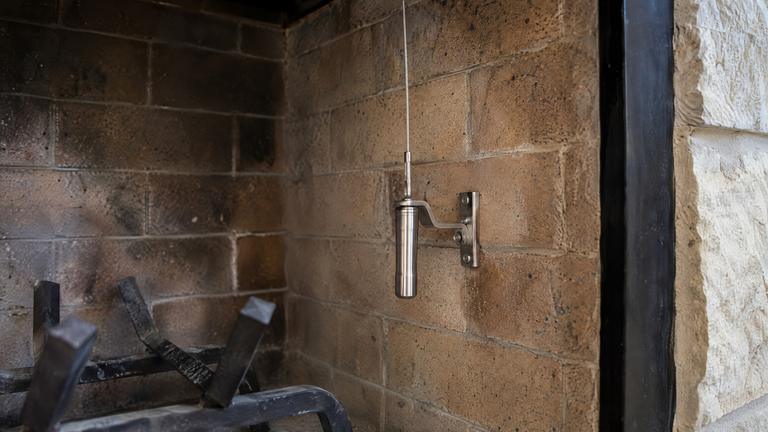
- Test piece or guide cone run through the flue
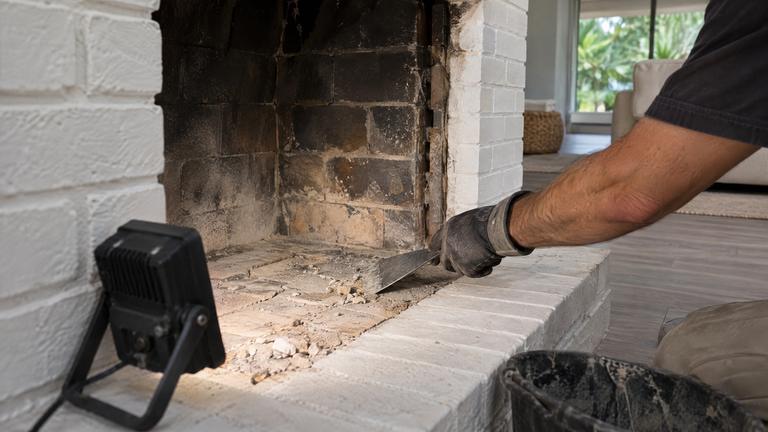
- Removal of old tile or an old liner
- Permit requirements for the job
Relining explained for Dixie Belle homeowners
Plain explanations of relining in Dixie Belle, from the crew that installs the liners.
Gas appliance flues follow their own rules
Section R1003.11.3 sends flue lining systems for gas appliances to the code's fuel gas chapter, and liner makers refer gas sizing to NFPA 54 and the appliance manufacturer. A liner sized by fireplace rules can be wrong for a furnace or water heater sharing the chimney.
When a gas appliance vents into your chimney, we size and specify that flue by its own rules and cite the reference in the estimate, so anyone who reads it can check the sizing. If the gas appliance is due for replacement, we suggest settling that first, since the new unit's manual may call for something different.
One liner per flue in a multi-flue chimney
Where two or more flues share a chimney, the residential code calls for masonry wythes at least 4 inches thick between adjacent flue linings, tied into the chimney walls. Each flue is its own passage and is relined on its own.
We inspect every flue in the chimney and list each relining separately, so you pay only for the flues that need it. A damaged wall between flues is also a finding in its own right, because it lets one flue leak into its neighbor, and we explain how it affects the relining plan.
Signs of condensation in a flue
Staining, dampness or deposits running down the flue can signal flue gases cooling too much before they leave. Oversized flues and chimneys on outside walls can both contribute.
Liner sizing and insulation address that directly. We look at the appliance, the flue size and where the chimney sits before recommending a fix. Moisture from rain entering an uncapped flue can look similar, so we rule that out before blaming condensation.
Interior and exterior chimneys are relined differently
A chimney inside the house and one built against an outside wall differ in the clearances they need and in how quickly their flues lose heat. One manufacturer recommends insulation especially for exterior chimneys.
We note where your chimney sits and explain how that shapes the proposal, from the airspace we need to confirm to the insulation we suggest. Two chimneys of the same height can end up with different liners for exactly this reason.
Other work in Dixie Belle
-
-
-
-
-
-
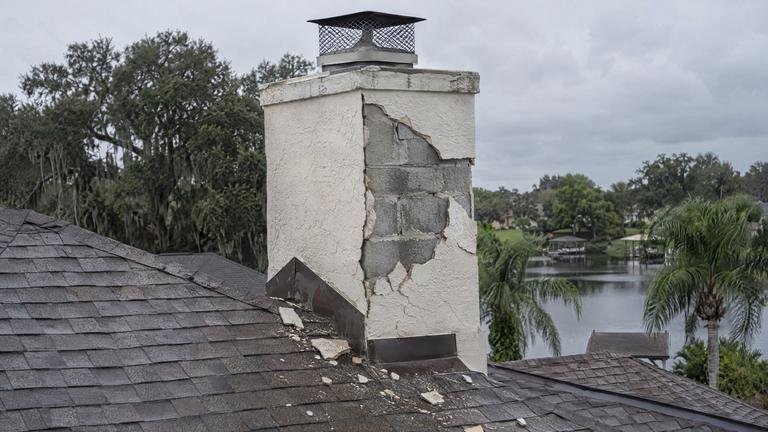


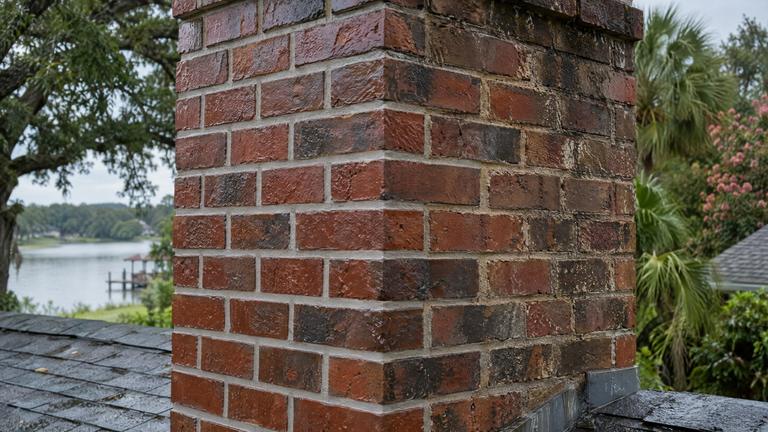
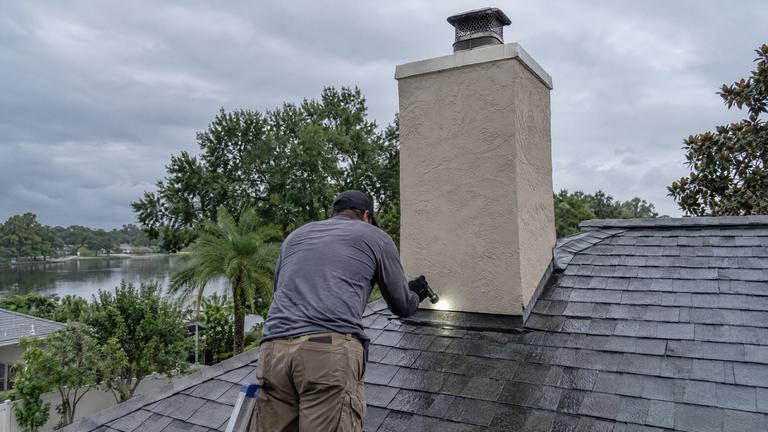
Learn more about chimney liner installation and reliningDixie Belle services
Related chimney liner work

Liner questions we hear in Dixie Belle
Relining questions answered by our family-owned crew in Dixie Belle.
Will a new liner change how my chimney is swept?
It changes where the sweep works and where soot comes out. We show you the cleaning access and leave the product's care instructions for the next sweep.
What if the chimney has cracked or loose masonry?
Loose, missing or cracked masonry has to be fixed before relining, because the liner depends on a sound chimney. We list that work separately and explain the order of the job.
Request your free estimate
Share the job details and arrange a free inspection with our local team.
- Free inspection
- No hidden fees
- Family owned and operated
Need an answer now? Call (352) 675-6376
Your request is received
Thank you. We will contact you to discuss the job and confirm an appointment.