
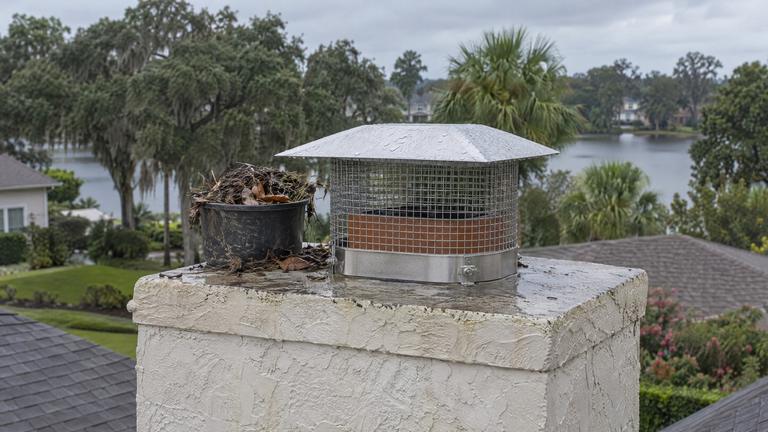
Chimney animal removal by local pros in Edgewood
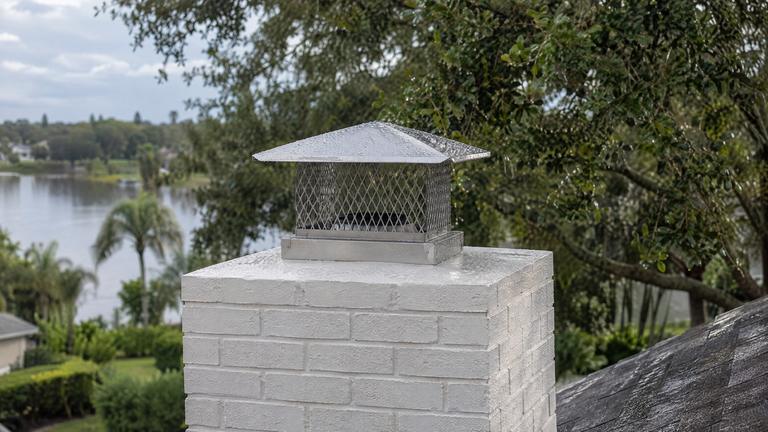
Local chimney wildlife help for Edgewood homes, with nest cleanup and a code-sized screened cap. Take 10% off work booked within 72 hours.
- Licensed & insured
- Locally run
- Family owned and operated
- Same-day service available



Written down for your Edgewood chimney
- Screened cap sized to the code range
- Crown or chase cover gaps noted
- Workmanship warranty on the cap
- Free inspection and written estimate
Chimney animal know-how for Edgewood homes
Why we do not promise a removal date
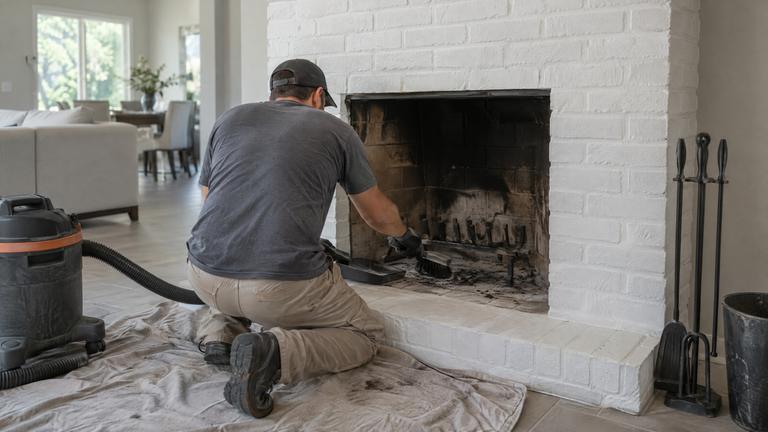
It would be easy to promise the animal will be gone tomorrow. For protected birds, bats in maternity season or a mother with young, that promise could break the law or leave young animals to die in the flue. We tell you what can happen now, such as sealing the damper, cleaning the firebox and planning the cap, and what has to wait for the animal to leave or for the rules to allow it. If the timing changes, for example because the animals leave sooner than expected, we move the next steps up.
Getting to the chimney top safely
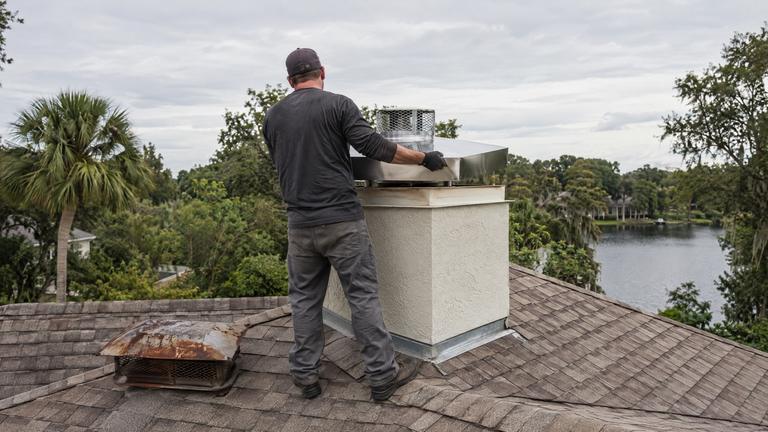
Cap work and inspection from above mean working at the top of the chimney, sometimes on a two-story roof. Our crew brings the ladders and safety equipment the roof calls for. Please do not climb up to look into the flue yourself. An animal at the top can startle you on a ladder, and what you can describe from the ground is all we need to plan the visit. Steep roofs and tile roofs take extra setup, and any added time is written into the estimate.
Reading the nest material
Different animals leave different signs. Small twigs glued into a shelf on the flue wall point to swifts. Loose leaves, grass and debris piled on the smoke shelf suggest squirrels or other birds. Large piles of debris with droppings on the smoke shelf can mean a raccoon den. We read what we find before deciding on the next step, since the rules differ by animal. Those signs are written into the findings, so you know what we based the plan on.
Birds other than chimney swifts
Chimney swifts are not the only birds the Migratory Bird Treaty Act covers. The Act protects listed migratory birds, their nests and their eggs. When a nest in the flue or the cap belongs to a bird we cannot identify with confidence, we treat it as protected and plan the removal and the cap for when the nest is no longer active. That can mean a short wait, and the fireplace stays off while we wait.
Other work in Edgewood
-
-
-
-


Your Edgewood chimney animal questions, answered
Should I light a fire to make the animal leave?
No. Smoke and heat can harm the animal, trap it in the flue or push it into the house, and nest material burns. Keep the fireplace off and the damper closed until the chimney has been assessed.
Are chimney swifts protected?
Yes. The Migratory Bird Treaty Act protects chimney swifts, and an active nest of theirs cannot be taken out. The chimney is cleaned and capped after the birds have left for the season.
Request your free estimate
Share the job details and arrange a free inspection with our local team.
- Free inspection
- No hidden fees
- Family owned and operated
Need an answer now? Call (352) 675-6376
Your request is received
Thank you. We will contact you to discuss the job and confirm an appointment.