
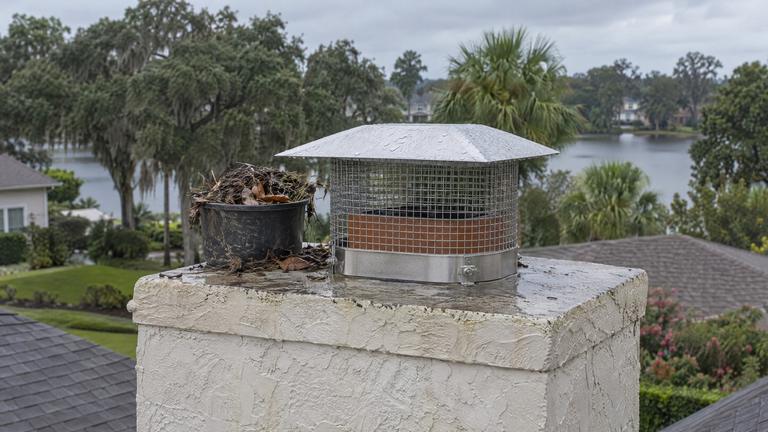
Careful chimney animal removal for Fullers homes
Keep the fireplace off and call our local pros. We assess your Fullers chimney and give you a written plan at no charge.
- Licensed & insured
- Locally run
- Family owned and operated
- Same-day service available



How we price animal work in Fullers chimneys
- Assessment of the animal and any nesting
- Workmanship warranty on the cap
- 10% off any service booked within 72 hours
- Timing set around protected species
Getting animals out of Fullers chimneys the right way
Checking the flue before the next fire
Once the animal and the nest are gone, the flue still needs a look from top to bottom. We check for leftover material, damage to the liner and anything that would block smoke from rising. NFPA 211 calls for chimneys to be inspected annually and for obstructions to be cleared, and that standard applies with extra weight after nesting. Any repair we find is priced separately for your approval. On your Fullers chimney, the flue check is part of the same visit as the cleanup whenever access allows it.
Nest material and creosote together
In a wood-burning chimney, dry nest material sits on or near creosote that has built up on the flue walls. Both are combustible, and together they make the flue a poor place for a fire. That is why the fireplace stays off until both are cleared. A chimney sweep removes the creosote, and our cleanup removes the nest, before any fire is lit again. On a chimney that sees regular fires, the sweep and nest removal are easiest to do on the same visit.
Fireplace doors as a barrier
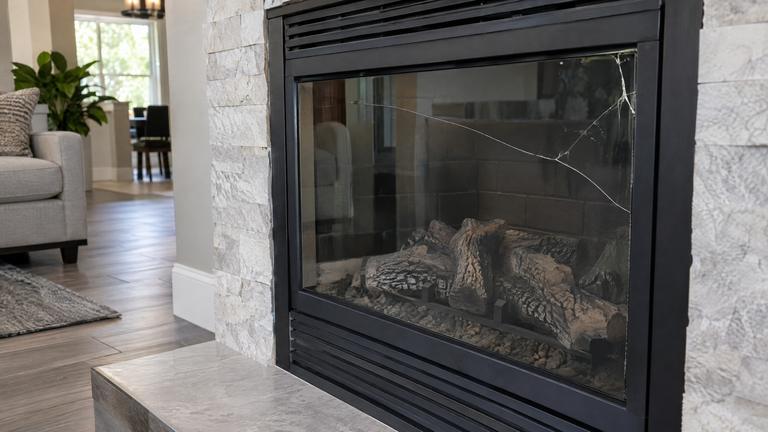
Glass fireplace doors add a second barrier in front of the damper. If your fireplace has them, keep them closed and latched until the chimney is clear. If it has only a mesh curtain, a closed damper is the main barrier, and cardboard taped over the opening can add a temporary one. Remove any temporary covering before the fireplace is used again. Never block the damper opening in a way that keeps you from checking on what is behind it.
Liner problems found during cleanup
Clearing a nest sometimes reveals flue problems that were hidden behind it, such as cracked tile, open joints or a damaged liner section. Those were not necessarily caused by the animal, but they matter before the next fire. We describe what we find, explain whether the fireplace should stay unused, and quote any liner or flue repair as its own item. Finding it now, with the flue open and clean, is easier than finding it after the next fire.
Other work in Fullers
-
-
-
-
-


Chimney animal questions from Fullers
Why can't you cap the chimney right away?
Closing the top with an animal inside traps it, and some species are protected while nesting. We confirm the chimney is empty, or wait until the rules allow exclusion, before a cap goes on.
Do I get anything in writing after the work?
Yes. You get a written record of the work we did, including the cleanup and the cap we fitted. It is useful for your house file or when you sell.
Request your free estimate
Share the job details and arrange a free inspection with our local team.
- Free inspection
- No hidden fees
- Family owned and operated
Need an answer now? Call (352) 675-6376
Your request is received
Thank you. We will contact you to discuss the job and confirm an appointment.