
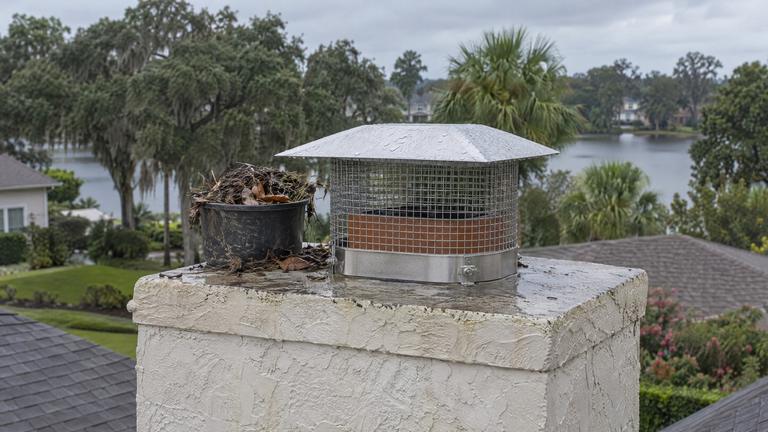
Animal removal from chimneys in Hibiscus
Animals in your Hibiscus chimney need patience and the right sequence. Our local experts plan both and explain every step.
- Licensed & insured
- Locally run
- Family owned and operated
- Same-day service available



What your Hibiscus chimney animal estimate covers
- Firebox cleaned after removal
- Flue inspected top to bottom
- Chimney sweep after nesting
- Written record of the work
What goes into chimney animal removal in Hibiscus
Chimney swifts are protected birds
Chimney swifts nest inside chimneys, gluing small twig nests to the flue wall. The U.S. Fish and Wildlife Service notes they are protected under the Migratory Bird Treaty Act, which covers the birds, their eggs and active nests. That means an active swift nest stays put. We confirm what is nesting before anyone disturbs it, and the chimney is cleaned and capped after the birds leave for the season. Once the birds have left, removing the old nest and capping the flue is lawful and keeps the chimney clear.
Florida's nuisance wildlife rule
Florida's rule on taking nuisance wildlife, Florida Administrative Code 68A-9.010, lets property owners and the people they authorize remove nuisance animals by permitted methods, and it restricts what can be done with an animal once captured. It also carries the specific timing and device conditions for bats. We keep our chimney work inside those limits and rely on specialists for handling the rule reserves for them. If a specialist tells you a method is allowed, ask how it fits the rule, since practices that were once common are not always lawful now.
No poison, repellents or traps in the flue
Poisons, mothballs and chemical repellents do not belong in a chimney. Fumes and residue end up in the house, a poisoned animal may die where it cannot be reached, and some products are illegal to use that way. Traps set inside a flue are hard to check and can injure an animal without removing it. We rely on lawful removal, cleanup and a screened cap instead. Fumes from repellents can also linger in the masonry and come back into the room the first time the fireplace warms up.
How animals get into factory-built chimneys
Factory-built chimneys have a metal pipe with a listed cap on top, running inside a framed chase. Animals get in through a damaged cap into the pipe, or through gaps at the chase cover into the chase itself. Each route needs a different fix. We identify which one the animal used and quote the listed cap, the chase cover work or both. Closing only one of the two routes leaves the other open for the next animal. The cap for the pipe must be the listed one, while the chase cover is made to the chase's own measurements.
Other work in Hibiscus
-
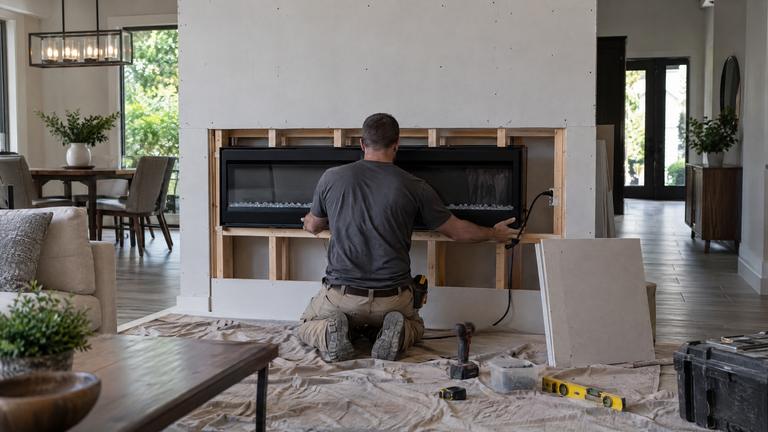
-
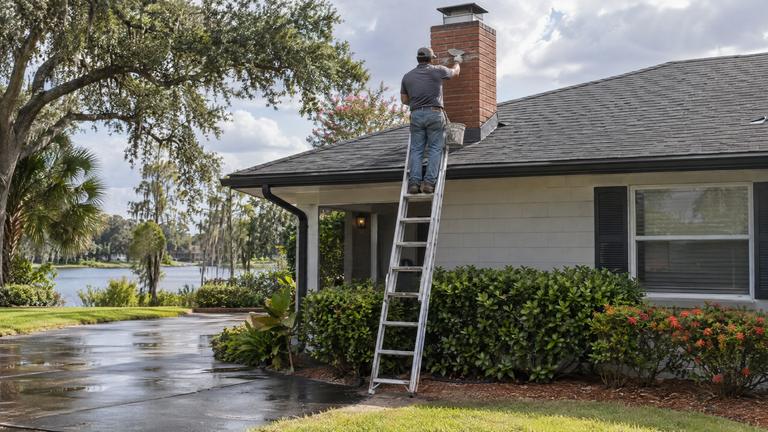
-
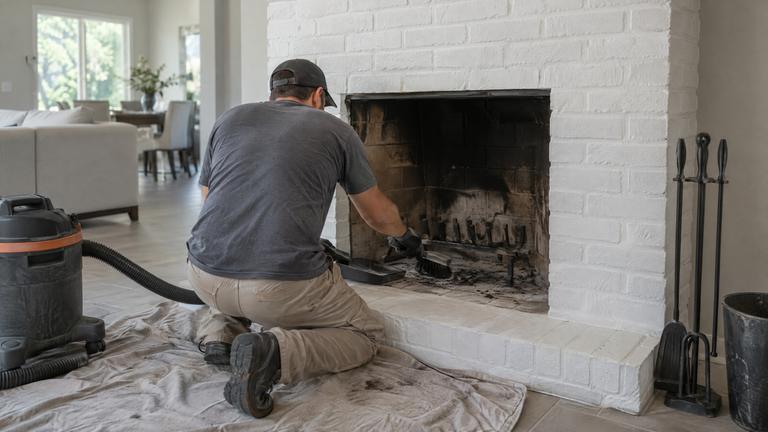
-
-
-


What Hibiscus owners ask about animals in chimneys
Something has moved into our Hibiscus chimney. What do you do about it?
We assess what is in your Hibiscus chimney, explain the rules that apply to that animal and coordinate a wildlife specialist when one is needed. Once the chimney is empty, we clean it and close the opening with a screened cap.
How much does chimney animal removal cost in Hibiscus?
It depends on the animal, access to your Hibiscus roof, how much cleanup is needed and the cap required. The inspection is free, and you get a written price for each part before any work.
Request your free estimate
Share the job details and arrange a free inspection with our local team.
- Free inspection
- No hidden fees
- Family owned and operated
Need an answer now? Call (352) 675-6376
Your request is received
Thank you. We will contact you to discuss the job and confirm an appointment.