
Chimney sweep for fireplaces and wood stoves in Kirkman North
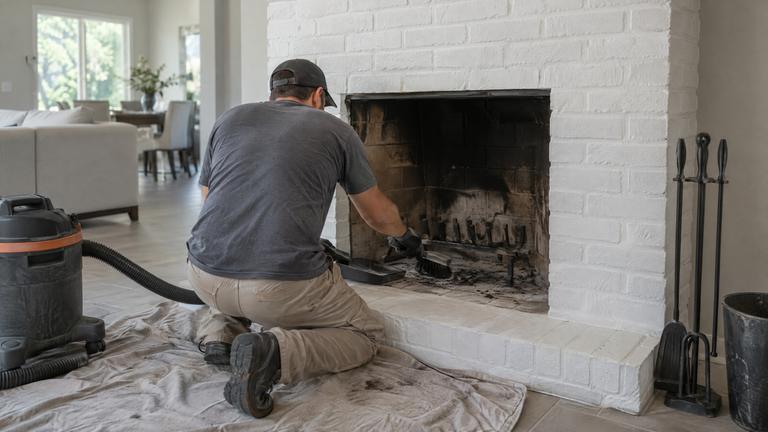
Get the chimney swept before the next fire, with drop cloths down and the soot bagged and carried out.
- Licensed & insured
- Locally run
- Family owned and operated
- Same-day service available



Your chimney cleaning, itemized
- Free inspection of flue, damper and firebox
- Flue brushed full height with sized brushes
- Room covered and fireplace opening sealed
- Extra passes for heavy buildup priced up front
Sweeping details that matter for your fireplace
A treated log does not sweep a chimney
Some logs are sold as chimney cleaners. Whatever a treated log does to deposits while it burns, it does not brush the flue walls, empty the smoke shelf or let anyone see the condition of the lining. Anything it loosens has to land somewhere, often on the smoke shelf of a masonry fireplace, where it still needs to be removed.
EPA guidance adds a related caution. Many wax and sawdust logs are made for open fireplaces only, so a stove or insert owner should check the appliance instructions before burning any manufactured log.
If you have used a treated log, tell our technicians when they arrive. It does not change the sweep, but it helps explain what they find in the smoke chamber. The brushes and the visual check still do the real work.
A blocked chimney full of leaves or debris
A blocked flue cannot carry smoke out. Leaves blown into an uncapped flue, twigs from a nest, fallen tile or a thick collar of creosote can each close off part of the passage. The first sign is often smoke at the opening when a fire is lit, or debris dropping into the firebox.
Do not light a test fire to see if it clears. Our crew finds the blockage from the top or bottom, removes it with rods and hand tools and brushes the whole flue afterward, since whatever caused the blockage usually left deposits along the way.
If the blockage turns out to be an active nest or an animal, the sweep waits for the right removal, and wildlife work is quoted on its own. For a blocked chimney in Kirkman North, the written estimate names what was found and what would keep it out next time, which is often a cap.
Whistling in wind or dripping after rain
A chimney that whistles or hums in the wind often has something at the top catching the air, such as a loose cap, a bent screen or a damper lid that no longer seats. A chimney that drips into the firebox after rain has an opening where water gets in.
Neither one is a cleaning problem, though both are easy to spot during a sweep. With the crew already on the roof, the cap, screen and damper get a close look, and water stains inside the flue show where the drip is coming from. A drip also rusts the damper faster, so it pays to find it early.
You hear which part is causing the noise or the leak, and the fix goes on your estimate by name, whether it is a cap, a damper, flashing or a leak repair. None of it is bundled into the sweep price.
When the inspection shows no sweep is needed
Sometimes a flue does not need cleaning. A fireplace lit only a handful of times, or one swept not long ago and burned well since, may carry little more than a light film of soot.
NFPA 211 ties cleaning to what the inspection finds instead of a set habit, and our crew works the same way. If the free inspection shows deposits too light to matter, our technicians tell you so, write down what they saw and suggest when to have it looked at again.
No one in Kirkman North is sold a cleaning the flue does not need. You pay for a sweep when the flue needs one, and the written estimate shows why. The same visit still checks the damper, the cap screen and the firebox, so you leave knowing where the system stands before the next fire.
Other work in Kirkman North
-
-
-
-



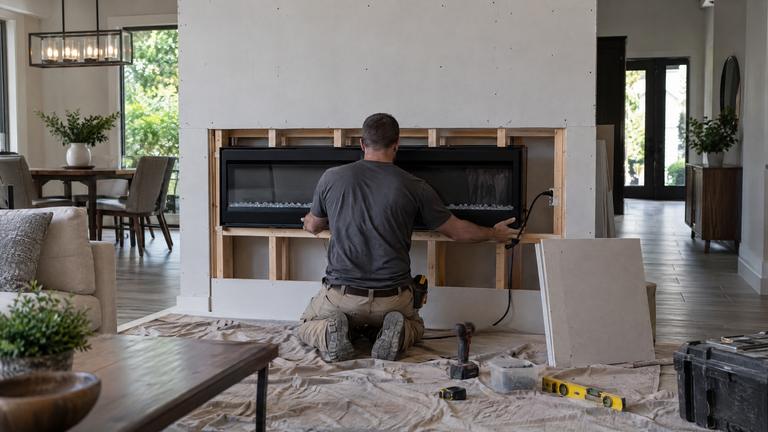
- Fireplace InstallationPlan the fireplace before opening the wall.
- Smoke Chamber RepairRepair the transition above the fireplace opening.
Learn more about chimney sweep and chimney cleaningKirkman North services
Related chimney sweep work

What homeowners ask before a sweep
Can you clean a factory-built fireplace and its metal chimney?
Yes. We follow the maker's care instructions, use brushes that will not scratch the metal flue and reset the cap the way the system was designed. Any damaged part is quoted with a matching replacement listed for that system.
What if the flue has a hard, shiny coating the brushes cannot remove?
That is glazed creosote, and it calls for a separate removal treatment applied per the product label. We quote it as its own line, and the treated material is swept out on a second visit once it dries.
Request your free estimate
Share the job details and arrange a free inspection with our local team.
- Free inspection
- No hidden fees
- Family owned and operated
Need an answer now? Call (352) 675-6376
Your request is received
Thank you. We will contact you to discuss the job and confirm an appointment.