
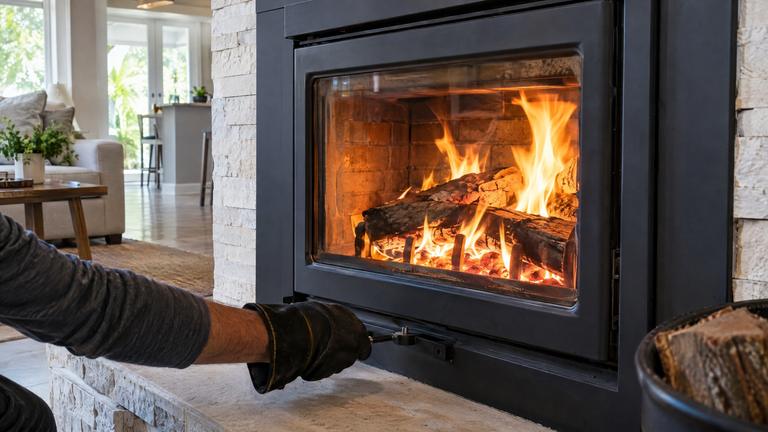
A wood insert installed to its manual in Lake Eola Heights
Fireplace insert installation for Lake Eola Heights homes with upfront pricing, no hidden fees and every item written down first.
- Licensed & insured
- Locally run
- Family owned and operated
- Same-day service available



The written wood insert scope we leave in Lake Eola Heights
Book within 72 hours after the inspection in Lake Eola Heights and 10% off shows on the same page as these items.
- Fireplace measured against the manual's minimum sizes
- Old insert, doors, grate and screen removed
- Ember protection on the floor in front of the unit
- Metal altered-fireplace tag fastened to the back wall
Wood insert details our installers explain in Lake Eola Heights
Useful to know before you approve an insert installation in Lake Eola Heights.
Burning natural, well-seasoned wood
Wood inserts are built for natural wood. The Pacific guide says higher efficiency and lower emissions generally come from air-dried, seasoned hardwoods, compared with softwoods or wood that is green or freshly cut. The Travis manual says its insert is approved for cord wood only.
EPA's wood-burning guidance adds that wood should be split and seasoned for at least six months and tested with a moisture meter before it is burned. We explain what that means for the wood you buy or store, because wet wood undoes much of what a new insert offers.
Catalytic and non-catalytic inserts
Wood inserts that meet the current limits use one of two approaches. A catalytic unit passes smoke through a coated combustor that burns it at a lower temperature. A non-catalytic unit uses a baffle and heated secondary air to burn the smoke inside the firebox.
Each has its own care. A combustor needs periodic inspection and eventual replacement, while a non-catalytic baffle and air tubes need checking for damage. We explain which your model uses and what the manual asks of you over the years.
Sizing heat output to the room
EPA's guidance on choosing a wood heater stresses matching its size to the space it will heat. An oversized insert usually gets run with its air turned down so the room does not overheat, and that is exactly how it ends up making more smoke.
We ask how big the room is, how much it opens onto the rest of the house and how often you plan to burn. That conversation usually narrows the models more usefully than the brochure does.
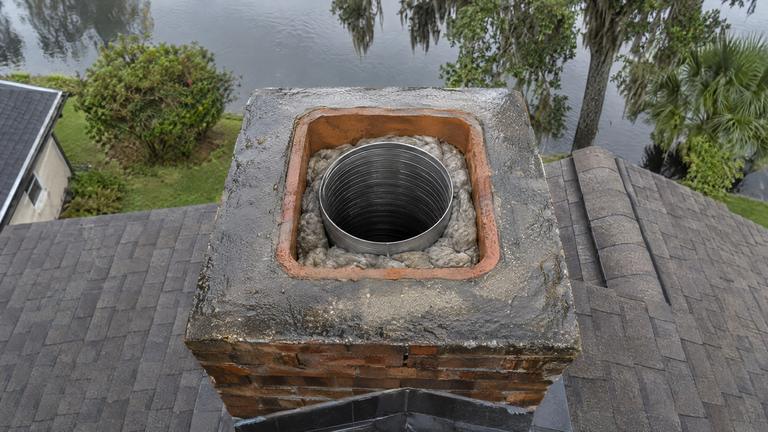
A rain cap on the end of the liner
The last step of a full-liner installation in the Pacific guide is a rain cap attached to the liner end, with a storm collar allowed as well. Without a cap, rain falls straight down the liner and into the insert, where it rusts steel and softens firebrick.
We fit a cap made for your liner and check that it sits clear of any existing cap on the chimney. When the old cap is in the way, the change is written into the scope so you know exactly what the chimney top will look like afterwards.
Other work in Lake Eola Heights
-
-
-
-


- Fireplace InstallationPlan the fireplace before opening the wall.
- Ventless Gas Fireplace ServiceService the unit within its exact installation limits.
Learn more about wood-burning fireplace insert installationLake Eola Heights services
Fireplace insert questions, answered for Lake Eola Heights
Honest answers from our Lake Eola Heights insert specialists, no pressure attached.
Should I buy the insert before you measure?
It is better to measure first. The manual lists minimum fireplace sizes, chimney height, flue size and clearances, and we check all of them against your fireplace so the model you buy is one that fits.
Will my hearth be big enough?
Insert manuals set how far the noncombustible hearth must reach in front of and beside the opening, and whether a flush hearth needs to reach further. We measure yours and write any extension into the estimate.
Request your free estimate
Share the job details and arrange a free inspection with our local team.
- Free inspection
- No hidden fees
- Family owned and operated
Need an answer now? Call (352) 675-6376
Your request is received
Thank you. We will contact you to discuss the job and confirm an appointment.