

Gas fireplace repair and service in Milk District
Propane or natural gas, we start with the rating plate and follow the manual for your Milk District fireplace.
- Licensed & insured
- Locally run
- Family owned and operated
- Same-day service available



Gas fireplace repair and service items we price
- Appliance connector condition and routing of piping work
- Leak check on accessible connections at the appliance
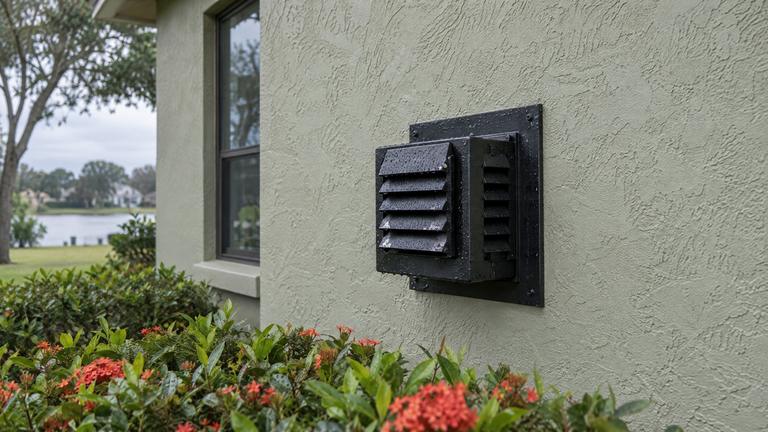
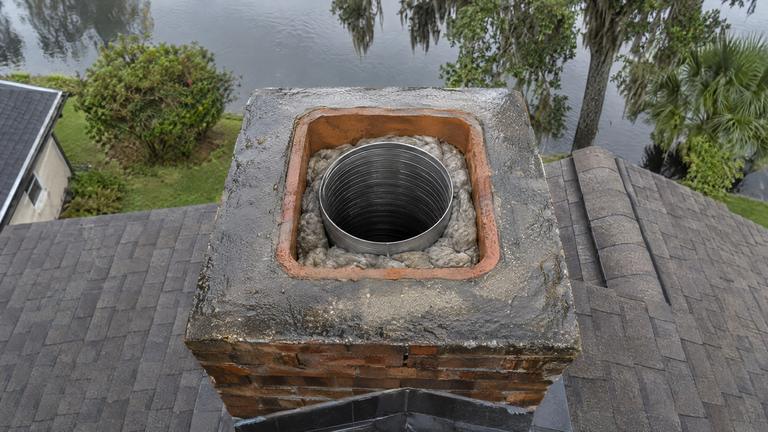
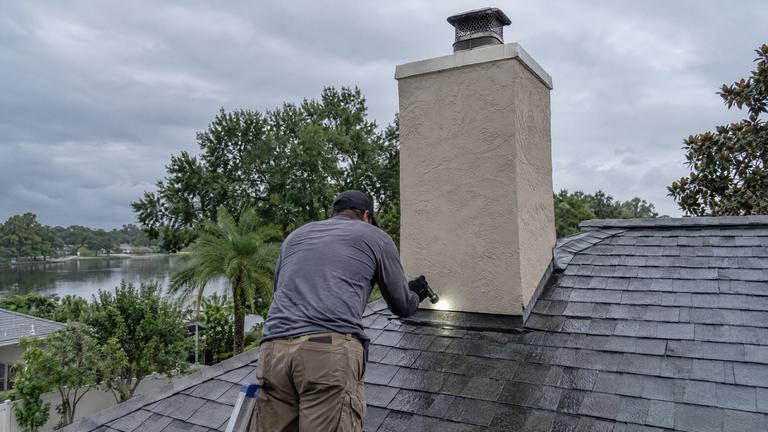
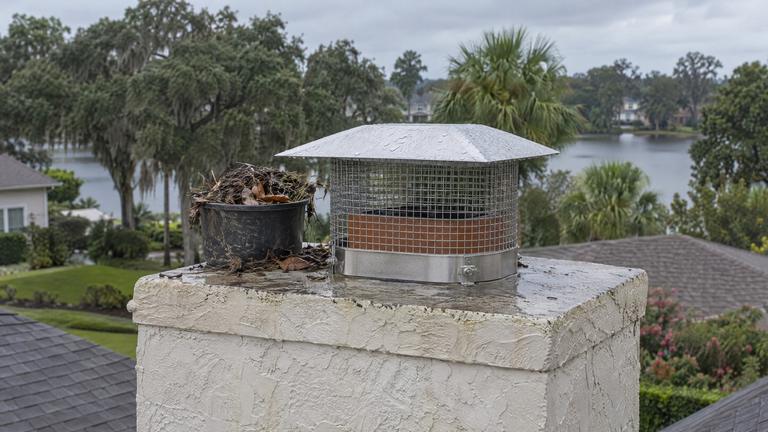
- Vent cap and termination clearance viewed from outside
- Shutoff valve located and its access confirmed
Gas fireplace facts for Milk District homeowners
A pilot that keeps going out
A standing pilot that goes out now and then, rather than refusing to light, has its own list of causes. In one maker's millivolt charts, frequent pilot outage is traced first to a pilot flame that is too high or too low, which lets the pilot safety drop out. The remedy listed is cleaning and adjusting the pilot for full contact with the thermocouple.
Other causes sit outside the pilot. The same manuals say the fireplace should not be installed in windy or drafty areas, and they list vent faults among the reasons the pilot and burner can go out together while running.
Our crew in Milk District cleans and adjusts the pilot as your model's manual allows and watches it through a full run. A vent fault found along the way is written up separately for our venting service.
The shutoff valve for your fireplace
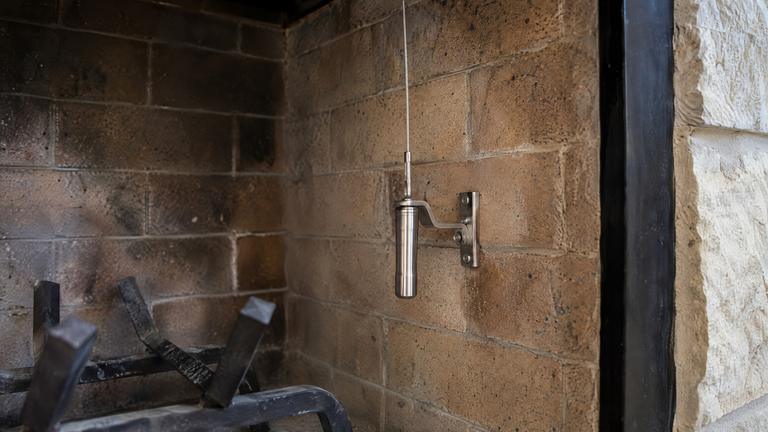
Every gas fireplace has a shutoff valve of its own, and the fuel gas code sets where it can be. A valve placed in the firebox follows the appliance maker's instructions, and on some inserts the valve sits inside the unit and is turned with a tool the maker supplies.
Our technician locates and checks the valve during your Milk District visit. If it is missing, buried behind finished construction or unlabeled where a label is required, that goes on the estimate as a finding for a plumber or gas fitter, since changing the piping is their work.
Of the code's placement rules, these are the ones that matter for fireplaces. The code allows the remote option for vented decorative appliances and log sets, as well as room heaters.
- In the same room, within six feet and ahead of the connector, with access
- Elsewhere with ready access, for vented decorative appliances
- Permanently identified and serving that fireplace alone, when remote
Rock wool and a flame only in the center
Rock wool is the fluffy ember material some gas burners use for the look of the flame. How much to use and where it goes are set by the maker, and the instructions differ from one design to the next.
One direct vent manual has the rock wool pulled into small pieces and spread in one thin layer across the whole burner. If the flame then burns blue and only in the center, it says to check that the back holes of the burner are not covered, and to add rock wool to the center if they are clear. It also warns that too much rock wool makes the flame burn poorly and can cause sooting, while a Heatilator manual keeps rock wool off the burner ports and has it replaced every year.
Because the rules differ, the layer on your Milk District fireplace is set by the manual for that model, not by habit, before the flame is judged. Replacement material goes on the estimate when it is needed.
The glass seal plate behind the front
Some fireplaces have parts behind the glass that the owner never sees in normal use. On the Heat & Glo Supreme inserts, for example, a glass seal plate sits behind the fixed glass assembly. The manual repeats the same warning in several places. The seal plate must be properly installed, or components may run too hot and there is a risk of carbon monoxide exposure.
That plate comes out more often than people expect. On that model the barrier front, the glass and the seal plate are all removed to reach the control cavity, and the break-in cleaning in the owner's manual takes the glass off too. Each of those moments is a chance for the plate to go back crooked or be left on the floor.
Whenever the glass is off a model like this, our technician checks the seal plate for position and fit before the glass returns, and again before the unit is lit. A damaged or missing plate is priced on the estimate with the maker's replacement part.
Other work in Milk District
-
-
-
-
-
-


Learn more about gas fireplace repair and serviceMilk District services

Questions to ask before a gas fireplace repair
Is it safe to keep using the fireplace until the repair?
It depends on the fault. Makers say not to run a gas fireplace with cracked or missing glass, a broken log or any part that has been under water. One maker's lighting instructions also say to stop and call a technician after three failed tries. Our technician tells you which case applies to yours.
Do you work on the gas line to the fireplace?
No. Work on the gas supply piping is done by a qualified gas installer or plumber. On the appliance side, our technicians read the gas pressure and check the accessible connections for leaks, and the estimate says plainly if the piping needs a plumber.
Request your free estimate
Share the job details and arrange a free inspection with our local team.
- Free inspection
- No hidden fees
- Family owned and operated
Need an answer now? Call (352) 675-6376
Your request is received
Thank you. We will contact you to discuss the job and confirm an appointment.