
Family-owned chimney animal removal in Pine Castle
A screened cap, a clean flue and a written record for your Pine Castle home once the animal has lawfully left.
- Licensed & insured
- Locally run
- Family owned and operated
- Same-day service available



The parts of an animal removal job in Pine Castle
- Specialist coordination where needed
- Screened cap sized to the code range
- Cap fitted only after the flue is empty
- Written record of the work
Our approach to chimney wildlife in Pine Castle
An uncapped flue is an open door
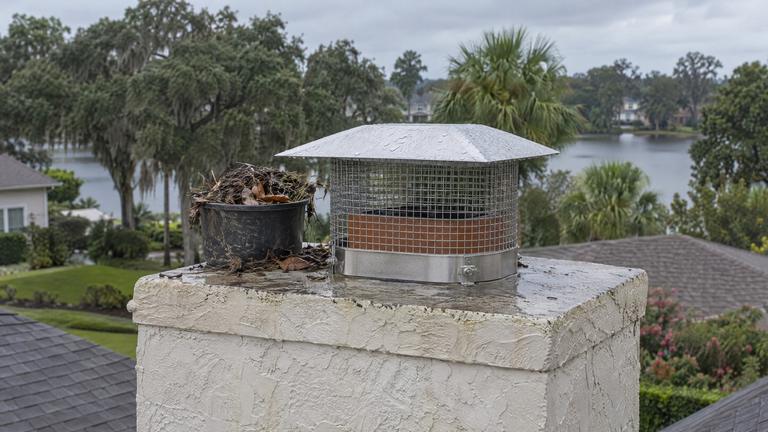
A masonry flue with no cap is open to rain, debris and any animal that climbs or flies to the roof. Many animal problems we see start this way. Capping an empty, clean flue with a screened cap is usually the fix that keeps the chimney empty, and it keeps rain out of the flue as well. We confirm nothing is inside before the cap goes on. An uncapped flue also takes in rain, which is why capping helps the chimney long after the animal problem is solved.
Scheduling the inspection
Same-day service is available for many inspection calls, which gets the assessment done quickly. Speed on the inspection does not change the rules for the animal. What a fast visit gives you is a clear answer about what is in the chimney, a closed damper and a written plan, so the next steps can happen as soon as the animal and the rules allow. We tell you at the end of the visit which of those steps can be booked right away.
Reading the nest material
Different animals leave different signs. Small twigs glued into a shelf on the flue wall point to swifts. Loose leaves, grass and debris piled on the smoke shelf suggest squirrels or other birds. Large piles of debris with droppings on the smoke shelf can mean a raccoon den. We read what we find before deciding on the next step, since the rules differ by animal. Those signs are written into the findings, so you know what we based the plan on.
Silence does not mean the chimney is clear
When the noise stops, it is tempting to assume the animal has gone. It may have left, it may be sleeping, or it may have died in the flue. Even an empty chimney still holds the nest. We check before a cap goes on or a fire is lit, because closing the top on a living animal or lighting a fire under a nest both create new problems. A short look at the chimney top and the flue answers the question for certain, and the inspection is free.
Other work in Pine Castle
-
-
-
-
-
-


Asked in Pine Castle about chimney animal removal
Can I clean up the droppings myself?
It is better to leave them. The CDC notes that histoplasmosis spreads through spores in bird and bat droppings when they are disturbed. We remove and bag droppings with care as part of the cleanup.
What kind of cap keeps animals out?
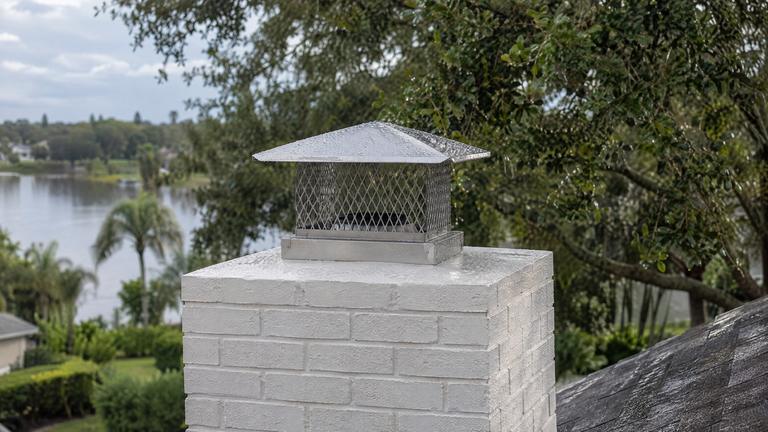
A cap with a sturdy screen whose openings fall inside the residential code range, fitted tightly to the flue or crown. Factory-built chimneys take the cap listed for their model.
Request your free estimate
Share the job details and arrange a free inspection with our local team.
- Free inspection
- No hidden fees
- Family owned and operated
Need an answer now? Call (352) 675-6376
Your request is received
Thank you. We will contact you to discuss the job and confirm an appointment.