
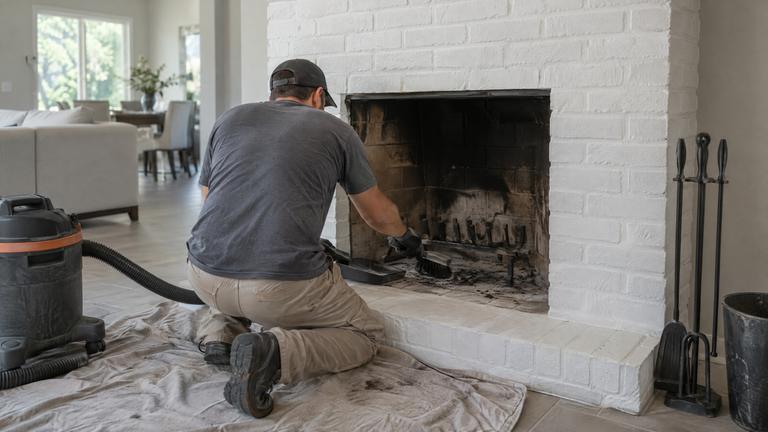
Chimney sweep and fireplace cleaning in Roosevelt Park
Local sweeps for fireplaces, wood stoves and inserts in Roosevelt Park, each cleaned the way its maker intends.
- Licensed & insured
- Locally run
- Family owned and operated
- Same-day service available



What the sweep price covers for Roosevelt Park homes
- Damper plate, frame and pivot cleaned
- Damper tested open and closed from the room
- Room covered and fireplace opening sealed
- Extra passes for heavy buildup priced up front
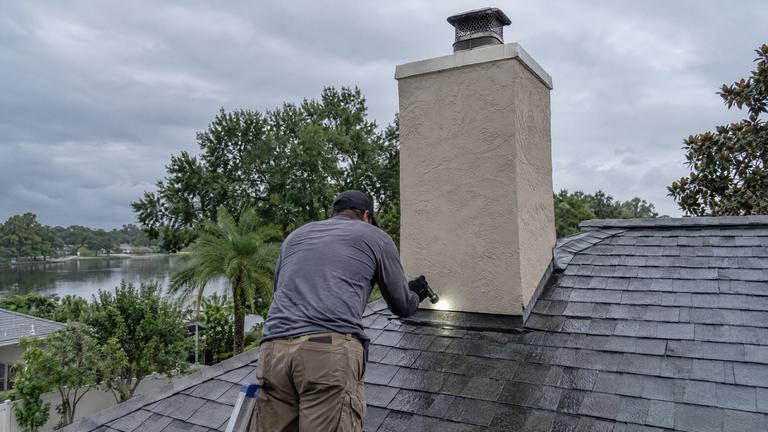
Chimney sweep work from the roof down
Collecting the soot instead of moving it around
Brushing loosens deposits, but a sweep is only finished when they leave the house. Soot falls onto the smoke shelf, into the firebox, to the base of the flue and, on a stove, into the connector pipe. Each of those places gets emptied, including the ones you cannot see from the room.
The debris is bagged at the hearth, sealed and carried out through the same protected path the crew came in on. Nothing is swept into a corner of the firebox to deal with later.
The debris is also evidence. Pieces of tile, rust flakes or nesting material mixed in with the soot tell our technicians something about the flue above. They look through it before it is bagged and tell you about anything unusual before leaving the house.
Clearing what falls onto the smoke shelf
Behind the damper, many masonry fireplaces have a flat or curved ledge called the smoke shelf. Anything that falls down the flue can land there, from soot and creosote flakes to leaves, nesting material and broken pieces of tile.
Because it sits out of sight, the smoke shelf can hold a surprising load. Debris left there can smell, can hold moisture and can partly block the path smoke takes into the flue.
The shelf is cleared after the flue is brushed, so it catches the brushing debris too. Our crew reaches over the damper, scoops the shelf clean and vacuums what is left. Whatever came off it is looked at before it is bagged, because a chunk of tile or a rusted piece of metal points to a problem higher up that deserves its own look.
Rust flakes and water marks inside the flue
Rust in the sweep debris, orange streaks down the firebox walls, or a damper rusted at the edges all point the same way. Water is getting into the chimney somewhere above.
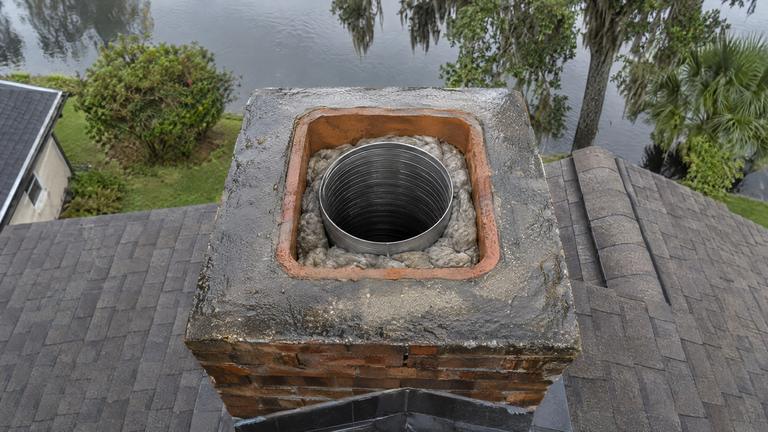
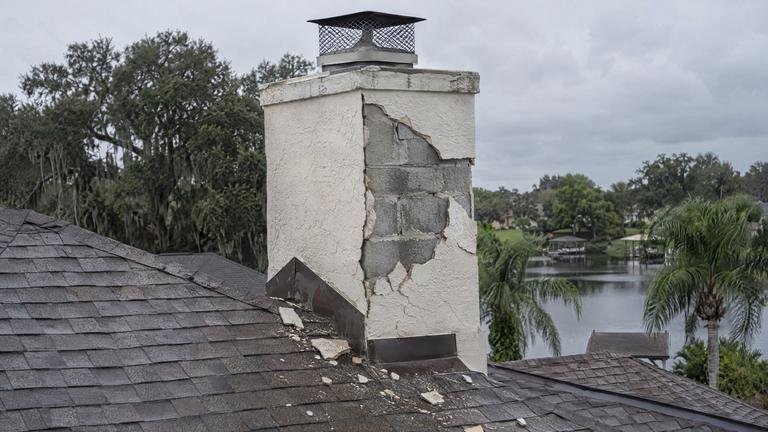
The sweep removes the rust flakes along with the soot, but it does nothing about the water. On a masonry chimney the path can be a missing cap, a cracked crown or open joints. On a factory-built chimney it can be the cap, the storm collar that seals the pipe, or the chase top.
Our crew traces the water as far as the cleaning allows and notes each suspect point on your estimate, with leak repair priced apart from the sweep. Until the source is fixed, water keeps rusting the damper and staining the firebox. On a factory-built system, any failed cap or collar is replaced with the maker's listed part.
Setting the damper before you light
A damper left partly closed is one of the conditions EPA guidance links to faster creosote buildup, because it restricts the air that moves smoke up the chimney. It can also send smoke out the front of the opening.
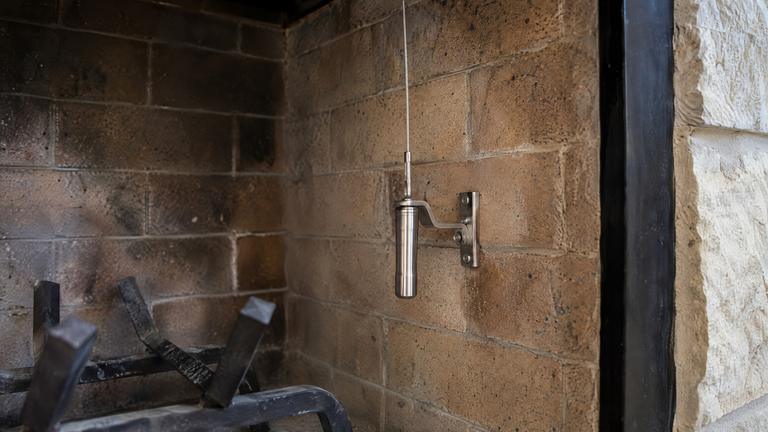
Factory-built fireplaces follow their own manuals. One owner's manual for a factory-built model, for example, calls for its damper to be fully open whenever the fireplace is in use. For a masonry fireplace, move the handle to its fully open position and confirm it by looking up with a flashlight before the match is struck.
During the sweep, our crew shows you the open and closed positions of the control if they are not obvious. That small step helps you avoid a smoky start and a flue that coats faster than it should.
Other work in Roosevelt Park
-
-
-
-
-
-


Learn more about chimney sweep and chimney cleaningRoosevelt Park services
Related chimney sweep work

Chimney sweep questions in Roosevelt Park
Do I need to be home for the chimney cleaning?
Someone needs to let our crew in and approve the written estimate, and we go over the record with you at the end. For rentals and seasonal homes we can work with a caretaker or property manager and send the record afterward.
Do you sweep chimneys on steep or two-story roofs?
Yes. Our crew brings its own ladders and fall protection, and when the roof is unsafe on the day, we clean from inside where possible and set a new time for the roof part. You never need to climb or hold a ladder.
Request your free estimate
Share the job details and arrange a free inspection with our local team.
- Free inspection
- No hidden fees
- Family owned and operated
Need an answer now? Call (352) 675-6376
Your request is received
Thank you. We will contact you to discuss the job and confirm an appointment.