
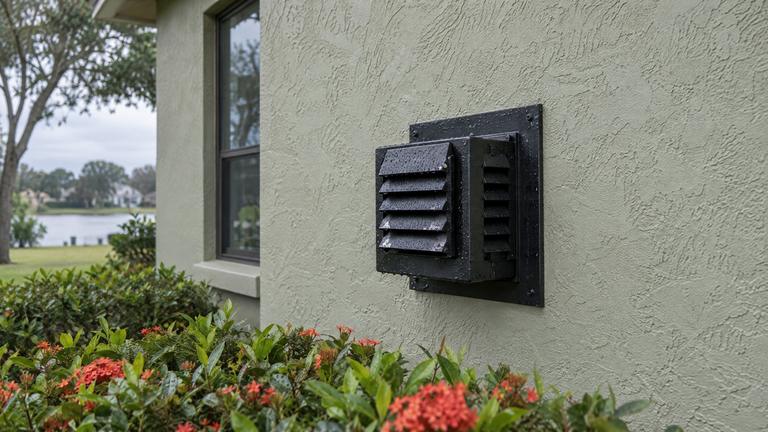
Gas fireplace venting pros serving Sky Lake
Gas fireplace venting from a local family team that answers the phone, inspects for free and stands behind the work with a satisfaction guarantee.
- Licensed & insured
- Locally run
- Family owned and operated
- Same-day service available



Your free venting inspection in Sky Lake looks at
Noted by our family-owned team in Sky Lake and explained in plain words before you decide anything.
- Termination cap condition and any debris inside it
- Clearance from the cap to windows and doors that open
- Air space between the pipe, framing and insulation
- Draft check and spill switch on natural-vent units
Our approach to fireplace vents in Sky Lake
Worth knowing before you approve vent work in Sky Lake.
Height above the ground or the deck
A sidewall cap has to sit high enough to stay clear of the ground and anything built on it. Section 503.8 of the Florida fuel gas code and one maker's manual both ask for at least 12 inches above grade, and the manual applies the same 12 inches above a veranda, porch, deck or balcony.
Landscaping, new pavers and raised flower beds can quietly shrink that distance. Our crew measures it from the finished surface as it is today, since the original plans no longer tell the story.
Keeping the cap clear of the gas meter
One maker's termination chart keeps a direct-vent cap 3 feet to each side of the centerline of a gas meter and regulator assembly, for a height of 15 feet above it, and 3 feet from a service regulator vent outlet.
Meters get moved when services are upgraded, and caps get added when fireplaces are installed after the house was built. Our pros measure the relationship between the two on every sidewall vent they inspect, and they note which rule applies.
The glass door is part of the vent system
On a direct-vent fireplace, the glass door closes the sealed chamber the vent serves. One maker cautions that a door not properly seated and sealed can leak combustion products, and it forbids running the fireplace with the door off, cracked or broken.
The same manual says replacement glass door assemblies must come from the fireplace maker, with no substitute materials. Our technicians check the latches, the gasket and the seating of the door whenever they inspect the vent.
A gas odor at the fireplace
Gas fireplace manuals list the same steps for a gas smell. Leave every appliance unlit, leave light switches alone and do not use a phone inside. Get out of the house at once and call the gas utility from outside or from a neighbor's phone, and call 911 or the fire department if the utility cannot be reached.
Nobody should go looking for the leak. Once the utility or the fire department says the house is safe, the fireplace stays off until a technician has found and repaired the cause.
Nothing but gas in a direct-vent firebox
A gas fireplace is built for one fuel. One direct-vent manual says not to use any solid fuels in it, naming wood, coal, paper and cardboard, and not to use it to cook or burn paper or other objects.
Debris and ash from anything else can block burner ports and air passages and change how the vent works. If our crew finds signs of burned paper or other material in the firebox, we clean it out and explain what it may have done to the burner.
Other work in Sky Lake
-
-
-


Gas fireplace venting questions from Sky Lake
Weighing a vent repair? Start with these answers, and remember the vent inspection in Sky Lake costs nothing.
How often should a gas fireplace vent be checked?
One direct-vent manual asks for the fireplace and venting system to be inspected before first use and at least once a year, with the outside cap checked regularly for debris. Our free inspection is a simple way to start.
Can a gas insert vent through an old masonry chimney?
Many can, with a pair of flexible liners down the flue, one bringing air in and one taking exhaust out, where the manual allows it. One maker permits that only in a solid-fuel fireplace and chimney that serves no other solid-fuel appliance. We check the chimney and the manual first.
Request your free estimate
Share the job details and arrange a free inspection with our local team.
- Free inspection
- No hidden fees
- Family owned and operated
Need an answer now? Call (352) 675-6376
Your request is received
Thank you. We will contact you to discuss the job and confirm an appointment.