
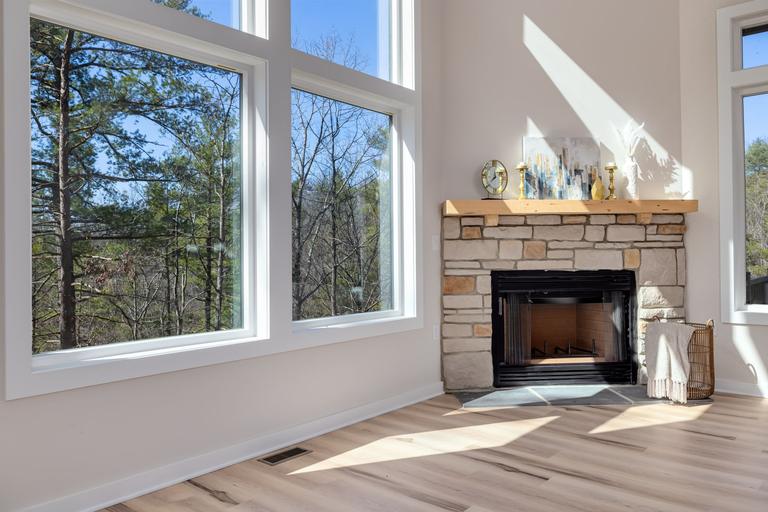
Chimney damper replacement and repair in Storey Park
A damper that opens fully and closes tight, from local pros. Free inspection, written estimate and a 100% satisfaction guarantee for Storey Park homes.
- Licensed & insured
- Locally run
- Family owned and operated
- Same-day service available



Damper repair items on your written estimate
- Debris cleared from the plate and smoke shelf
- New throat damper supplied and set
- Top-sealing damper option where it fits
- Written scope before work begins
What goes into a lasting damper repair
Working through the fireplace opening
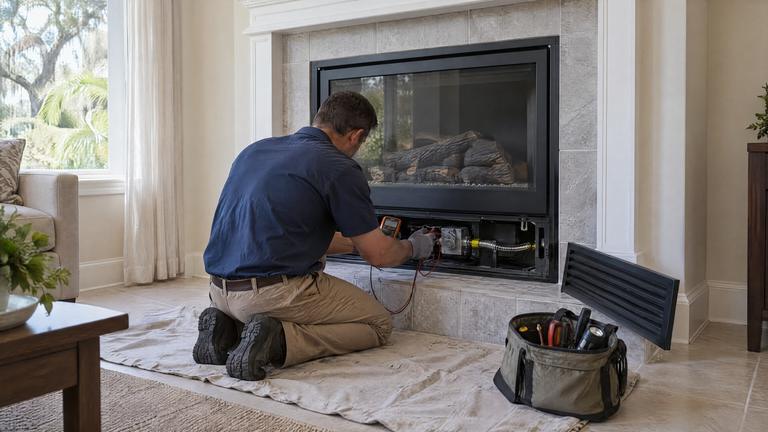
Most damper work is done from inside the firebox, looking up into the throat. It is cramped, sooty work, and the technician needs room to move tools and parts without marking the fireplace face or the floor.
Our crew lays protection over the hearth and the floor in front of it before starting. If the job needs access from the top of the chimney as well, the estimate says so ahead of time.
If the fireplace has glass doors or a screen, we remove them carefully and set them aside on a protected surface. Before we leave, they go back exactly as they were, and we check that they open and close properly.
Closing the damper between fires
A working damper only saves cooled air if it actually gets closed. Once the fire is completely out and the ashes are cold, close the damper and leave it closed until the next fire.
If your damper is awkward to reach or hard to read, closing it becomes a chore people skip. Our crew fixes stiff controls and adds clear position marks, so closing it takes a second.
If other people in the house use the fireplace, show them the damper positions too. A simple habit shared by everyone keeps the fireplace safer and the house more comfortable.
Dampers in older masonry fireplaces
Older masonry fireplaces often have original cast-iron dampers that have seen a lot of heat and a lot of rain. Some are still sound after a cleaning, and some are held together by rust.
Our technicians check the old casting carefully before deciding. When an original damper can be saved, we save it. When it cannot, we replace it with one sized to the throat and explain why in writing.
Older fireplaces also have a history. If you know about past repairs, share them. That helps our technicians understand why the damper looks the way it does and what to expect inside the throat.
How a throat damper replacement goes
A throat damper replacement follows a steady order. We protect the room, remove the old plate and frame, prepare the seat in the throat, set the new damper and connect the control.
Then we test it, relay any firebrick that was disturbed and clean up the soot. Your written estimate lists these steps before you approve the work, and the handover sheet confirms them afterward.
Each step is done with care to protect the firebox and the room. If something unexpected turns up, we stop and explain it before continuing.
- Room and hearth protected
- Old plate and frame removed
- New damper set, connected and tested
- Soot cleaned and operation shown to you
Other work in Storey Park
-
-
-
-
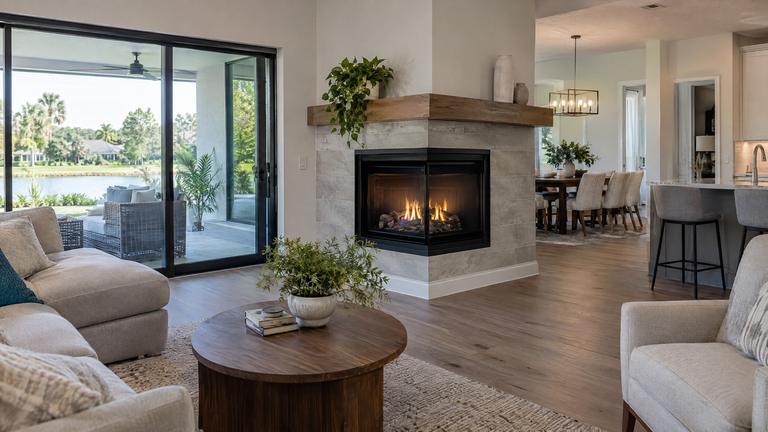


- Fireplace RestorationBring an unused fireplace back with a coordinated plan.
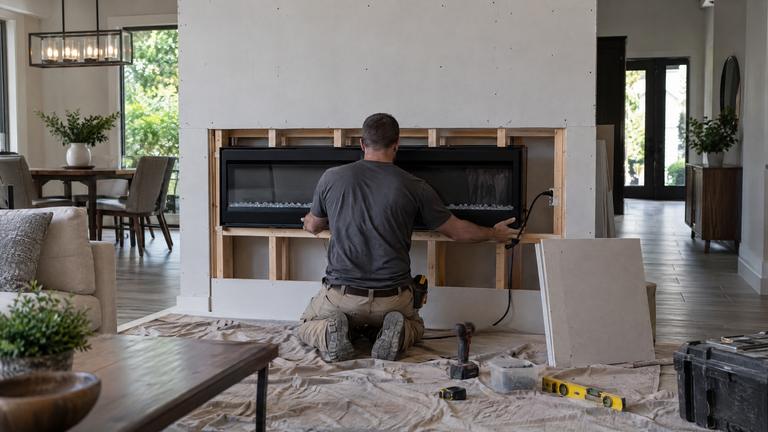
- Fireplace InstallationPlan the fireplace before opening the wall.
Learn more about chimney damper repair and replacementStorey Park services
Common questions about damper replacement
Is it safe to close the damper right after a fire?
Wait until the fire is completely out and the ashes are cold. U.S. Fire Administration guidance warns against closing the damper over hot ashes, since that can push carbon monoxide into the house.
What does the building code expect from a fireplace damper?
For a masonry fireplace, section R1001.7.1 of the Florida Building Code, Residential, wants a damper of ferrous metal, placed 8 inches or more above the top of the opening, in the fireplace or its chimney, with a control you can work from the room. Replacement dampers go in with those points in mind.
Request your free estimate
Share the job details and arrange a free inspection with our local team.
- Free inspection
- No hidden fees
- Family owned and operated
Need an answer now? Call (352) 675-6376
Your request is received
Thank you. We will contact you to discuss the job and confirm an appointment.