
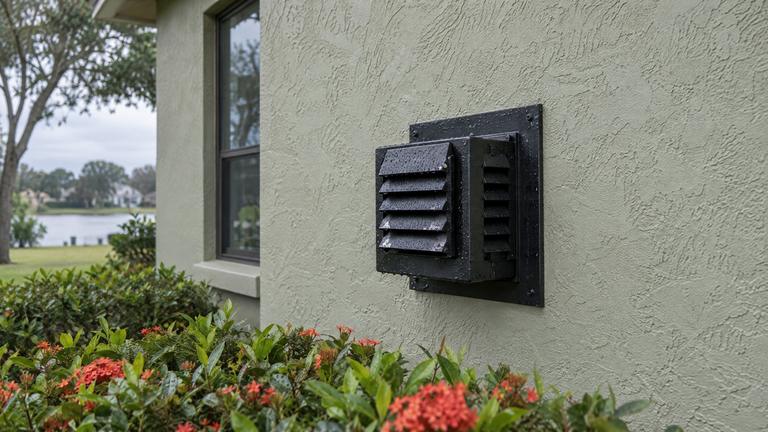
Gas fireplace venting for direct vent and B-vent units in Washington Shores
Remodeling around the fireplace? We plan the new vent route, list the wall and roof work separately and hand you the scope in writing.
- Licensed & insured
- Locally run
- Family owned and operated
- Same-day service available



What our Washington Shores crew measures at the vent cap
These checks decide whether a vent run is right for your fireplace, and our Washington Shores crew writes each result down before any work.
- Every reachable joint checked for seating and seal
- Clearance from the cap to windows and doors that open
- Draft check and spill switch on natural-vent units
- Parts of the run we could not reach, stated in writing
What goes into a sound vent run in Washington Shores
The checks our technicians make on vent jobs in Washington Shores, and the reasons behind them.
Where the pipe passes into the attic
A vent that climbs through a ceiling into an attic needs a firestop at the ceiling, and one maker calls for an attic insulation shield where insulation could otherwise fall against the pipe. The shield keeps the required air space open no matter how much insulation surrounds it.
Attic work often disturbs these parts. After new insulation or other attic jobs, our pros check that the shield is still in place, that nothing has been piled against the pipe and that the firestop was not cut or removed.
Height and elbow limits on a B-vent run
Vertical height has a floor and a ceiling in one B-vent fireplace manual, at least 8 feet and at most 40 feet between the top of the fireplace and the top of the cap. The same manual caps the turns at two 90 degree elbows, or four at 45 degrees, and treats a pair of 45s as one 90.
Each extra elbow is a place for draft to weaken. Our technicians count them along the reachable run and check the total height before blaming the controls for a fireplace that will not stay lit.
Height and offset limits for co-linear liners
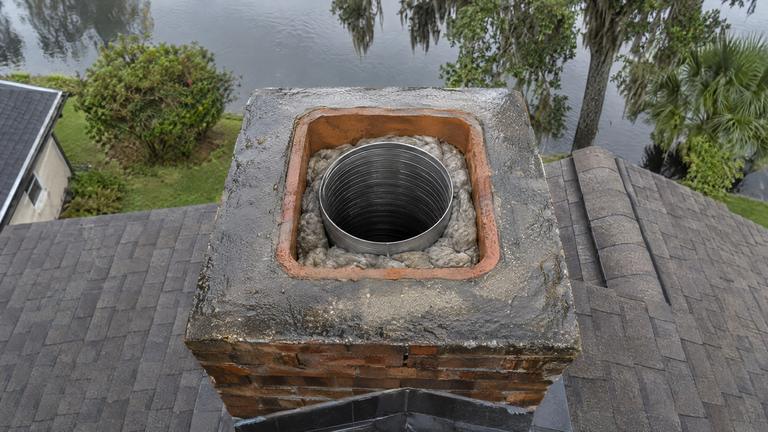
Liners in a chimney still follow vent rules. One maker's co-linear instructions call for no less than 10 feet and no more than 40 feet of vertical pipe, and allow offsets of up to 8 feet with the liners held at least 45 degrees from horizontal.
The same instructions say no restrictor is needed with co-linear venting, which differs from the rules for its coaxial pipe. Our crew measures the chimney height and any bends in the flue before quoting, since a chimney that falls outside those numbers needs a different plan.
Flames that die while the fireplace is running
A fireplace that lights fine and then goes out can have a vent fault or a control fault, and the two call for very different repairs. One direct-vent manual lists the inner vent pipe, the pitch of horizontal runs and the vent cap as venting causes when pilot and burner go out together.
Pilot, thermocouple and valve faults belong to gas fireplace repair. Our technicians check the vent and the controls on the same visit, so you do not pay for a new valve when the real problem is a cap.
Moving the termination during a remodel
Relocating a vent cap counts as a new installation of the vent rather than a small extension. The new route has to fit the manual's vent graph, stay inside the elbow and length limits and end at a spot that meets every termination clearance.
Our specialists plan the route before the walls are opened in Washington Shores, list the wall, roof and finish work on separate lines and show you where the new cap will sit. Nothing gets cut until you have approved that plan in writing.
Other work in Washington Shores
-
-
-
-


- Prefab and Zero-Clearance Fireplace RepairRepair the fireplace according to its model.
- Fireplace RestorationBring an unused fireplace back with a coordinated plan.
Learn more about gas fireplace ventingWashington Shores services
Gas fireplace venting questions from Washington Shores
Weighing a vent repair? Start with these answers, and remember the vent inspection in Washington Shores costs nothing.
Is the vent inspection in Washington Shores really free?
Yes. Neither the inspection nor the written estimate costs anything, and booking is up to you. If you go ahead within 72 hours after the inspection, you save 10%.
Can I use the fireplace while I wait for a vent repair?
We recommend keeping it off while a vent fault is unresolved. A sealed fireplace depends on its vent to bring air in and take exhaust out, so running it with a known fault is not worth the risk.
Request your free estimate
Share the job details and arrange a free inspection with our local team.
- Free inspection
- No hidden fees
- Family owned and operated
Need an answer now? Call (352) 675-6376
Your request is received
Thank you. We will contact you to discuss the job and confirm an appointment.