
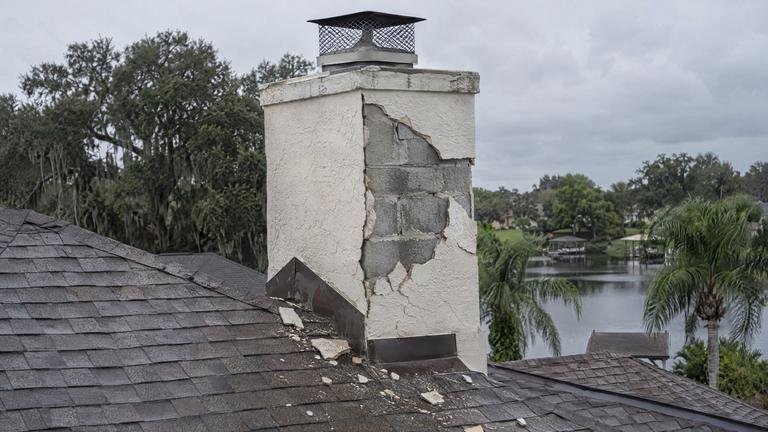
Loose chimney brick and open joints repaired in Wedgefield
Wedgefield homeowners save 10% on work booked within 72 hours after the free inspection. Masonry repair starts with a free inspection and a written estimate.
- Licensed & insured
- Locally run
- Family owned and operated
- Same-day service available



Line by line, your masonry proposal in Wedgefield
Mortar type, brick match and repair boundary in Wedgefield all come from checks like these.
- Mortar color checked wet and dry
- Water sources feeding the damage
- Crown, cap and flashing findings on separate lines
- Stucco, stone or historic work referred separately
Masonry repair explained for Wedgefield homeowners
Questions every Wedgefield homeowner should have answered before chimney masonry is cut out.
Why head joints need hand work
The short vertical joints between bricks are called head joints. Brick industry guidance warns that a grinder cannot remove the full depth of mortar from them without damaging the adjacent brick, so the remaining mortar has to come out with a chisel.
It is slower, and it is the difference between a clean repair and chipped brick corners along every joint. We budget the time for it in the estimate instead of rushing the step that shows the most.
Prehydrating repointing mortar
Prehydration is the brick industry's recommendation for repointing mortar, because it cuts down on shrinkage. The dry ingredients are mixed with just enough water to hold a shape when squeezed, left to stand for about an hour to an hour and a half, then brought to a workable, drier-than-usual consistency.
It is a small step that makes a real difference to how the finished joint holds. We follow it on repointing work rather than mixing and placing straight from the bag.
When the original mortar is unknown
Where the original mortar type is unknown, Technical Note 46 recommends sending samples to a laboratory. ASTM C1324 describes the examination and analysis of hardened masonry mortar used to estimate its ingredients and proportions.
Most chimney repairs do not need lab work, but some do, especially on older or unusual masonry. When we think it is worth it, we explain why and what it adds to the estimate before anything is sampled. Sampling takes small pieces from joints that are being repaired anyway, so it does not add damage to sound masonry.
Every crack has a cause
Cracks in chimney masonry come from movement, water, hard mortar, rusting steel, loads on the chimney or heat, and the right repair depends on which one it is.
A crack filled without asking why it opened often opens again next to the repair. We look at the crack's pattern and surroundings before choosing a method, and the estimate states the likely cause alongside the fix. Where the cause cannot be fixed by masonry work, such as ongoing movement, we say that before quoting rather than after the crack returns.
Other work in Wedgefield
-
-
-


Related chimney masonry work


Masonry questions we hear in Wedgefield
Question not listed? Our Wedgefield masonry team is glad to answer it by phone.
Why are there white deposits on my chimney?
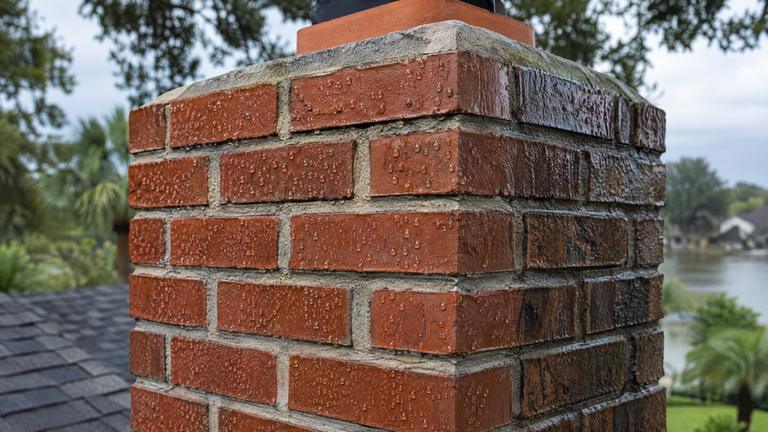
White deposits usually mean water is moving through the masonry and leaving dissolved minerals behind as it dries. Brick industry guidance says to find and fix the water source first, or the deposits come back. We look for that source during the inspection.
Do you replace individual bricks?
Yes, as part of a masonry job that also involves joints or cracks. A job that is only brick replacement has its own service, and we explain which describes your chimney.
Request your free estimate
Share the job details and arrange a free inspection with our local team.
- Free inspection
- No hidden fees
- Family owned and operated
Need an answer now? Call (352) 675-6376
Your request is received
Thank you. We will contact you to discuss the job and confirm an appointment.