
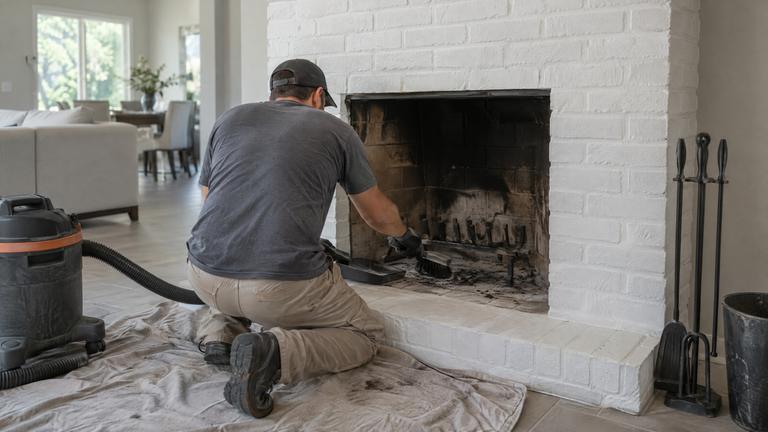
Chimney sweep and soot removal for Countryside homes
We brush out soot and flaky creosote and quote any glazed section separately, so nothing hides in the price.
- Licensed & insured
- Locally run
- Family owned and operated
- Same-day service available



Cleaning scope agreed before any brushing
- Smoke chamber brushed on every sloped face
- Cleanout door emptied and cover closed
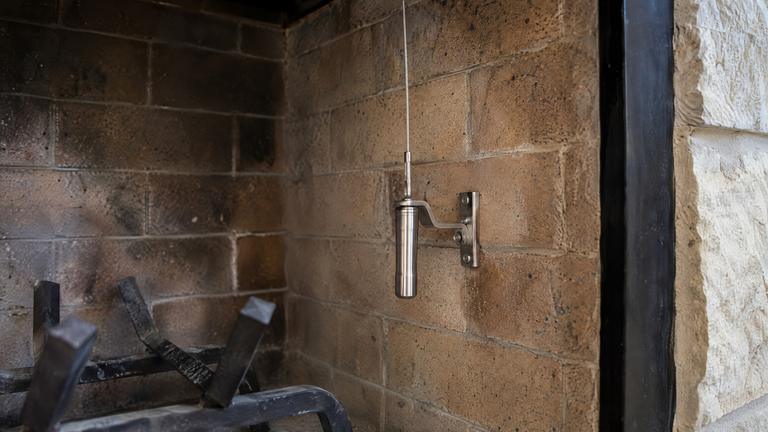
- Top-sealing damper gasket and cable checked
- Glass doors and frame cleaned after brushing
Chimney cleaning facts for Countryside homes
Setting the damper before you light
A damper left partly closed is one of the conditions EPA guidance links to faster creosote buildup, because it restricts the air that moves smoke up the chimney. It can also send smoke out the front of the opening.
Factory-built fireplaces follow their own manuals. One owner's manual for a factory-built model, for example, calls for its damper to be fully open whenever the fireplace is in use. For a masonry fireplace, move the handle to its fully open position and confirm it by looking up with a flashlight before the match is struck.
During the sweep, our crew shows you the open and closed positions of the control if they are not obvious. That small step helps you avoid a smoky start and a flue that coats faster than it should.
The written record you keep after a sweep
Every sweep ends with a written record of what was cleaned. It notes the date, the fireplace or stove, which flue was swept, the kind of deposits found and the areas the brushes reached.
It also lists what was not done. Glazed sections left for a separate treatment, any part of the flue that could not be reached, and any repair item found during the visual check are written down with the reason. If a section was treated for glaze, the record notes that a follow-up sweep is still due.
Keep the record with your appliance manuals and past repair papers. It helps the next sweep, helps a buyer if you sell, and gives any later technician a starting point instead of a guess.
- Date and system cleaned
- Deposit type before cleaning
- Areas reached and areas not reached
- Findings left for a separate decision
Sweeping a fireplace in a condo or townhouse
A fireplace in a condo or townhouse often shares a roof, a wall or a chimney structure with neighbors. The flue serving your unit may run beside others, and the roof may be managed by the building rather than by you.
Access comes first. Our crew confirms whether roof access needs permission from the building's management, and whether the flue can be cleaned from inside the unit instead. Matching your fireplace to the right flue on the roof matters even more here, since the flue next to yours belongs to someone else.
The written record names your unit, your fireplace and your flue, which is useful if the building asks when the flue was last cleaned. Any finding that touches shared structure is written up so you can take it to the people responsible for it.
Where a stove pipe enters a masonry chimney
When a wood stove vents into a masonry chimney through a wall, the stove pipe enters the flue through a round opening called a thimble. Debris brushed down the flue collects at the bottom of the chimney and in that opening, and the joint around the pipe can loosen with time.
When the setup allows, our technicians pull the pipe from the thimble, brush the flue, clean out the base and the opening, then reset the pipe snugly so it does not sag or leak smoke at the joint. Pipe that has rusted thin, or a thimble with cracked mortar around it, is quoted as its own item.
Clearances around that wall pass-through matter for safety, and they belong to a formal inspection or a repair, not a sweep. If anything about the pass-through looks wrong while the pipe is out, our crew points it out and writes it down.
Other work in Countryside
-
-
-
-


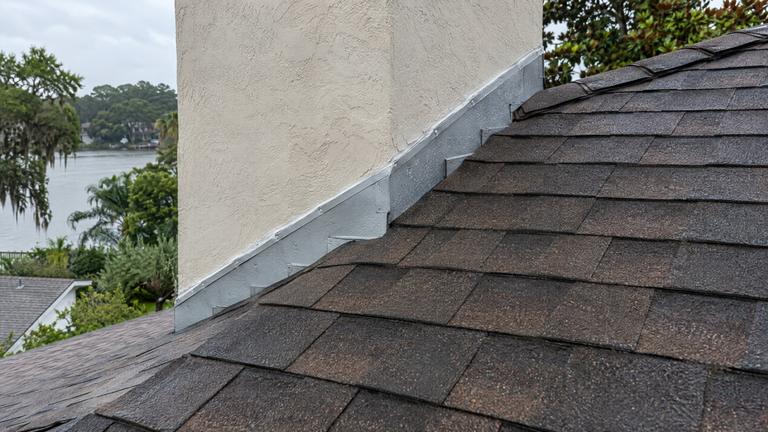
- Stone Chimney RepairKeep stone repairs suited to the existing masonry.
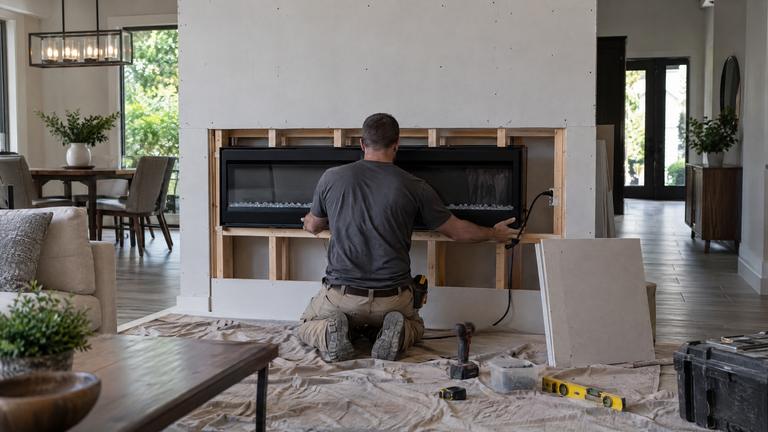
- Ventless Gas Fireplace ServiceService the unit within its exact installation limits.
Learn more about chimney sweep and chimney cleaningCountryside services
Related chimney sweep work

Before you set up a sweep in Countryside
What happens if you find damage during the sweep?
We stop, show you what we found and explain what it means for using the fireplace. Each repair goes on the written estimate as its own line, and nothing is fixed or charged without your approval.
What should I do before the sweep arrives?
Let the fireplace go cold for at least a day, clear a path to the hearth and move fragile items off the mantel. Keep pets in another room, and leave the damper and any insert as they are for our crew.
Request your free estimate
Share the job details and arrange a free inspection with our local team.
- Free inspection
- No hidden fees
- Family owned and operated
Need an answer now? Call (352) 675-6376
Your request is received
Thank you. We will contact you to discuss the job and confirm an appointment.