
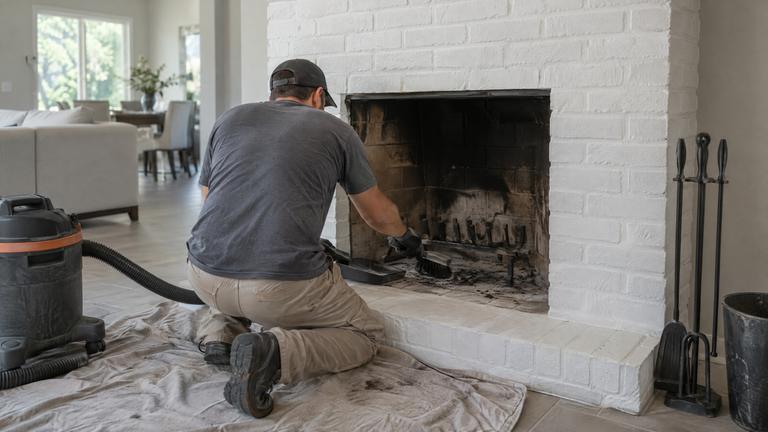
Your local chimney sweep in Lake Mary Jane
Our family-owned crew sweeps chimneys in Lake Mary Jane with a free inspection first and 10% off work booked within 72 hours after it.
- Licensed & insured
- Locally run
- Family owned and operated
- Same-day service available



Parts of the fireplace we clean in Lake Mary Jane
- Firebox, grate and old ash cleaned out
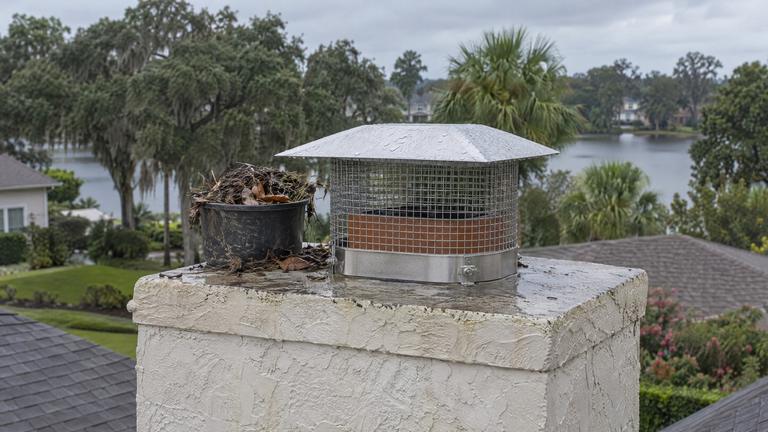
- Cap screen brushed free of soot
- Metal chimney cap removed and reset per its maker
- Roof area around the chimney covered
Flue cleaning in Lake Mary Jane done with the right tools
How creosote forms inside a cooling flue
EPA wood-burning guidance explains creosote plainly. Smoke rising from a wood fire carries unburned byproducts, and when that smoke meets the cooler chimney walls it condenses and sticks. What builds up is a black or brown residue that burns, which is why the amount lining your flue matters.
The same guidance names the conditions that speed it up. Air to the fire is restricted, the wood still holds water, or the chimney runs cooler than normal. The longer smoke lingers in the flue, the more residue it leaves behind.
A sweep removes what has already formed. How the fire burns decides what forms next, and that part is in your hands. Our technicians read the deposits as they clean and tell you what they suggest about how your fires have been burning.
A treated log does not sweep a chimney
Some logs are sold as chimney cleaners. Whatever a treated log does to deposits while it burns, it does not brush the flue walls, empty the smoke shelf or let anyone see the condition of the lining. Anything it loosens has to land somewhere, often on the smoke shelf of a masonry fireplace, where it still needs to be removed.
EPA guidance adds a related caution. Many wax and sawdust logs are made for open fireplaces only, so a stove or insert owner should check the appliance instructions before burning any manufactured log.
If you have used a treated log, tell our technicians when they arrive. It does not change the sweep, but it helps explain what they find in the smoke chamber. The brushes and the visual check still do the real work.
Cleaning is not sealing, coating or waterproofing
A sweep removes deposits. It does not seal the flue, coat the smoke chamber or waterproof the brick. Those are separate jobs with their own materials and prep, and several of them need a clean flue before they can start.
Resurfacing a smoke chamber with refractory mortar, sealing cracks in a clay lining, coating a crown or applying a water repellent to the outside of the chimney each begins where cleaning ends, but none is part of it. A rough smoke chamber that needs new parging, for example, is repair work.
If the sweep shows one of these is needed, our crew lists it on the estimate by name. You can have the cleaning done now and the sealing or waterproofing later, or have both done in sequence. The estimate also notes which of them must wait until the flue is clean.
A last sweep before you stop using a fireplace
If you have decided to stop using a wood fireplace, a last sweep before closing it off is worth doing. Deposits left in a flue that no one watches can hold moisture, smell and draw animals, and they stay there indefinitely.
After the sweep, the flue still needs a plan. A cap keeps rain and animals out, and a closed damper keeps room air from flowing up the chimney. Our technicians explain which of those your system already has and what it would need.
Closing off a fireplace for good is a separate decision from cleaning it, and it does not have to be made the same day. For homeowners in Lake Mary Jane, the estimate lists the sweep and any cap or damper work on separate lines. If the fireplace comes back into use someday, the record from the last sweep tells the next person what they are starting with.
Other work in Lake Mary Jane
-
-
-
-


- Fireplace RestorationBring an unused fireplace back with a coordinated plan.
- Ventless Gas Fireplace ServiceService the unit within its exact installation limits.
Learn more about chimney sweep and chimney cleaningLake Mary Jane services
Related chimney sweep work

Common questions about chimney sweeping
Can I use the fireplace the same day it is swept?
Usually, yes, once our crew has finished and the damper has been tested. The exceptions are a glazed treatment that is still drying and a repair finding that should be settled first, and we tell you about either before we leave.
What should I do before the sweep arrives?
Let the fireplace go cold for at least a day, clear a path to the hearth and move fragile items off the mantel. Keep pets in another room, and leave the damper and any insert as they are for our crew.
Request your free estimate
Share the job details and arrange a free inspection with our local team.
- Free inspection
- No hidden fees
- Family owned and operated
Need an answer now? Call (352) 675-6376
Your request is received
Thank you. We will contact you to discuss the job and confirm an appointment.