
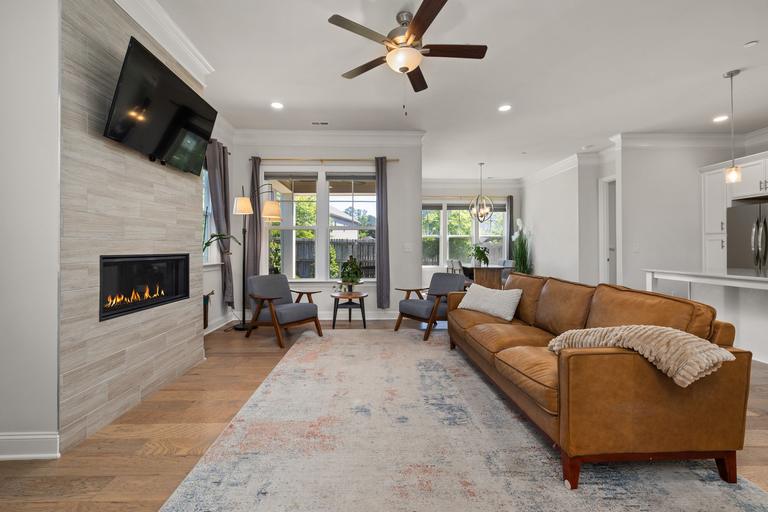
Stainless steel chimney liner installation in Plymouth
Our chimney pros in Plymouth clean the flue, prove the route and install a complete listed liner system. 100% satisfaction guaranteed.
- Licensed & insured
- Locally run
- Family owned and operated
- Same-day service available



What your relining estimate in Plymouth covers
Our family-owned team in Plymouth proves the flue before these lines are written, so the estimate holds.
- Tee, adapter or other base connection
- Cleaning of the flue and smoke chamber
- Permit requirements for the job
- Product details left for your records
Getting the liner right on Plymouth chimneys
Plain explanations of relining in Plymouth, from the crew that installs the liners.
What a UL 1777 listing means for a liner
UL 1777 is the standard chimney lining systems are listed to, and the residential code accepts listed and labeled systems that comply with it. The listing covers a system installed as its instructions describe, with the parts named there, not a length of pipe on its own.
That is why we install the liner, top plate, cap, base fitting and any insulation as one assembly instead of mixing components from different makers. Your paperwork records the product, so a later sweep, inspector or buyer can see exactly what was installed and check it against the same instructions we followed.
Signs of condensation in a flue
Staining, dampness or deposits running down the flue can signal flue gases cooling too much before they leave. Oversized flues and chimneys on outside walls can both contribute.
Liner sizing and insulation address that directly. We look at the appliance, the flue size and where the chimney sits before recommending a fix. Moisture from rain entering an uncapped flue can look similar, so we rule that out before blaming condensation.
Lowering the liner without damage
A flexible liner is guided down the chimney, sometimes with a pulling cone and rope from below while it is fed from above. Forcing it past a tight spot can tear insulation or crush the liner.
We take it slowly and stop if the liner binds, rather than pushing through a restriction nobody expected. If the route has to be reconsidered, you hear about it before anything is cut, along with what the change means for the scope.
Questions worth asking before you approve relining
A sound relining proposal should answer each of these clearly. If one of them gets a vague answer, ask again, since each one affects how the liner performs or what the job includes.
- What finding makes the current lining unsuitable?
- Which listed product is proposed, and at what size?
- Is insulation required, or only recommended?
- What preparation happens before the liner goes in?
- Which old parts stay, and which come out?
- Which separate repairs, if any, are recommended?
Other work in Plymouth
-
-
-
-


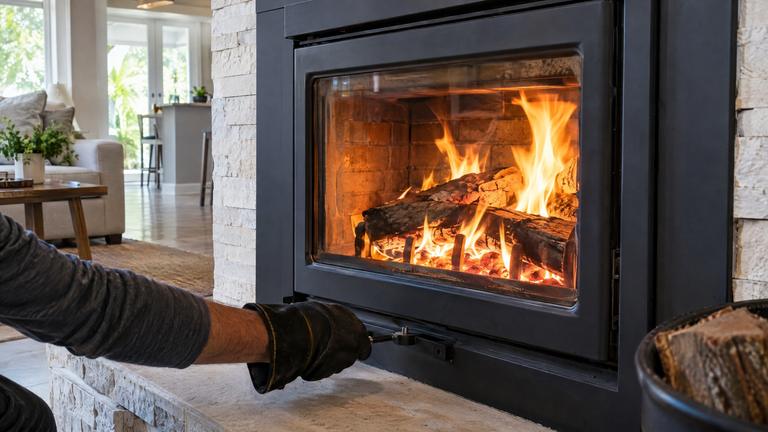
- Fireplace InstallationPlan the fireplace before opening the wall.
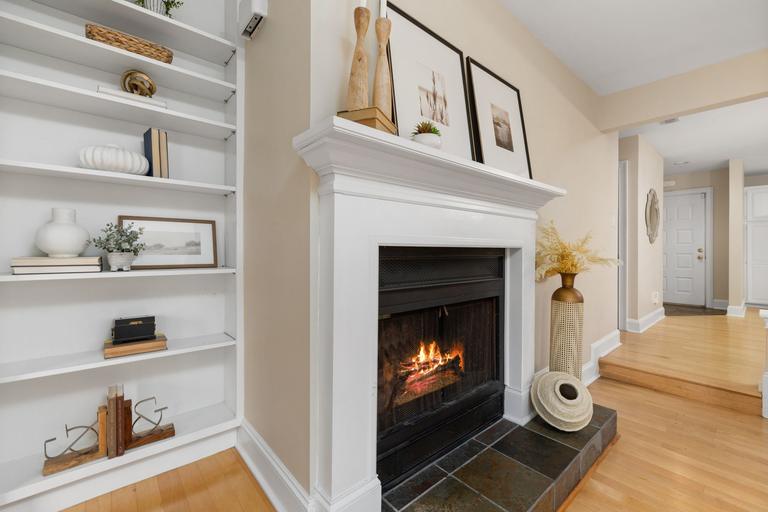
- Smoke Chamber RepairRepair the transition above the fireplace opening.
Learn more about chimney liner installation and reliningPlymouth services
Related chimney liner work

Liner questions we hear in Plymouth
No sales pitch, only answers from our liner specialists in Plymouth.
What if the chimney has cracked or loose masonry?
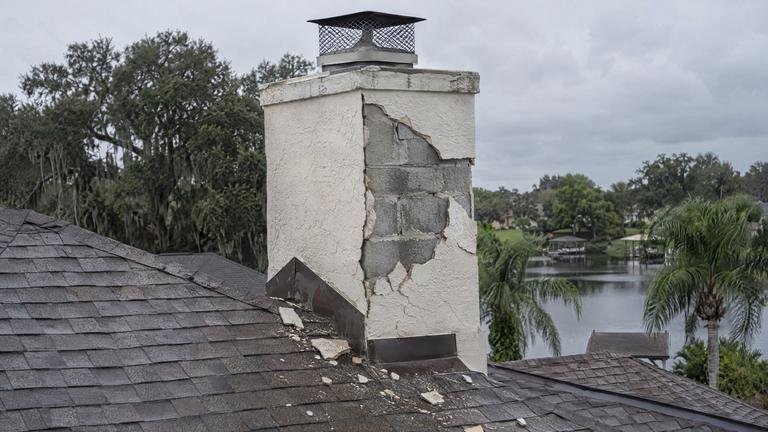
Loose, missing or cracked masonry has to be fixed before relining, because the liner depends on a sound chimney. We list that work separately and explain the order of the job.
Can I use the fireplace right after the liner is installed?
Once the installation is finished and checked, yes, following any first-use guidance in the product instructions. We go over that guidance with you at handover.
Request your free estimate
Share the job details and arrange a free inspection with our local team.
- Free inspection
- No hidden fees
- Family owned and operated
Need an answer now? Call (352) 675-6376
Your request is received
Thank you. We will contact you to discuss the job and confirm an appointment.