
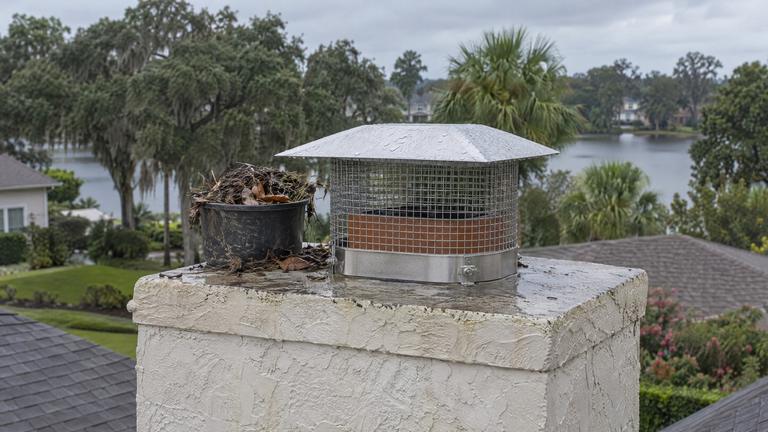
Family-owned chimney animal removal in The Willows
We never trap an animal inside your The Willows chimney. The opening is closed only after we confirm the flue is empty.
- Licensed & insured
- Locally run
- Family owned and operated
- Same-day service available



The parts of an animal removal job in The Willows
- Assessment of the animal and any nesting
- Flue inspected top to bottom
- Workmanship warranty on the cap
- Free inspection and written estimate
Our approach to chimney wildlife in The Willows
Listening for what is in the chimney
The sound tells us a lot before anyone climbs a ladder. Write down what you hear and when, and share it when you call. Timing, sound and anything that has fallen into the firebox usually narrow the list down.
- Scratching or thumping, often at night, can point to a climbing animal
- Chirping that rises when adults return can mean nestlings
- Fluttering near the damper suggests a bird or bat in the smoke chamber
- Light scurrying in daylight can point to squirrels
What nest material does to a flue
Nests are built from twigs, leaves, grass and whatever else an animal can carry, and a large one can close most of a flue. Smoke that cannot rise has to go somewhere, and debris sitting in a warm flue can catch an ember. The fireplace should stay unused until the flue is clear from top to bottom, and until a sweep has confirmed nothing is left above the damper. Nesting material can also sit above a closed damper for months without anyone noticing it from the room.
A cap that seats with no gaps
A cap that is too small for the flue or has worked loose leaves space at its base where a determined animal can squeeze through. Flue-mounted caps must match the outside of the flue tile, and crown-mounted caps must sit flat on the crown. We measure before ordering and fasten the cap so it stays seated, then check the base all the way around once it is on. On a crown that is uneven or cracked, the cap may need a repaired surface before it can sit tight.
Reading the nest material
Different animals leave different signs. Small twigs glued into a shelf on the flue wall point to swifts. Loose leaves, grass and debris piled on the smoke shelf suggest squirrels or other birds. Large piles of debris with droppings on the smoke shelf can mean a raccoon den. We read what we find before deciding on the next step, since the rules differ by animal. Those signs are written into the findings, so you know what we based the plan on.
Other work in The Willows
-
-
-


Asked in The Willows about chimney animal removal
Something has moved into our The Willows chimney. What do you do about it?
We assess what is in your The Willows chimney, explain the rules that apply to that animal and coordinate a wildlife specialist when one is needed. Once the chimney is empty, we clean it and close the opening with a screened cap.
What if birds are nesting in the chimney right now?
Leave the nest alone and keep the damper closed. If the birds are chimney swifts, the Migratory Bird Treaty Act protects the active nest, so the cleaning and the cap wait until the birds have left for the season. We can inspect and plan the work before then.
Request your free estimate
Share the job details and arrange a free inspection with our local team.
- Free inspection
- No hidden fees
- Family owned and operated
Need an answer now? Call (352) 675-6376
Your request is received
Thank you. We will contact you to discuss the job and confirm an appointment.